
Southern states are likely to experience an upcoming deep freeze, similar to the one Texas experienced in 2021. That Texas deep freeze caused billions of dollars in damage to property, a sizeable portion of which was racked up due to improperly prepped pools. Most pool owners in southeastern and southwestern states do not traditionally winterize their pool with a winter cover, blown-out water lines, and stored pool equipment. And due to the infrequency of these deep freezes, the know-how or the know-why on how to prep your pool for a deep freeze was not used to protect your pool.
1. Keep the Pool Pump Running (Circulation Is Critical)
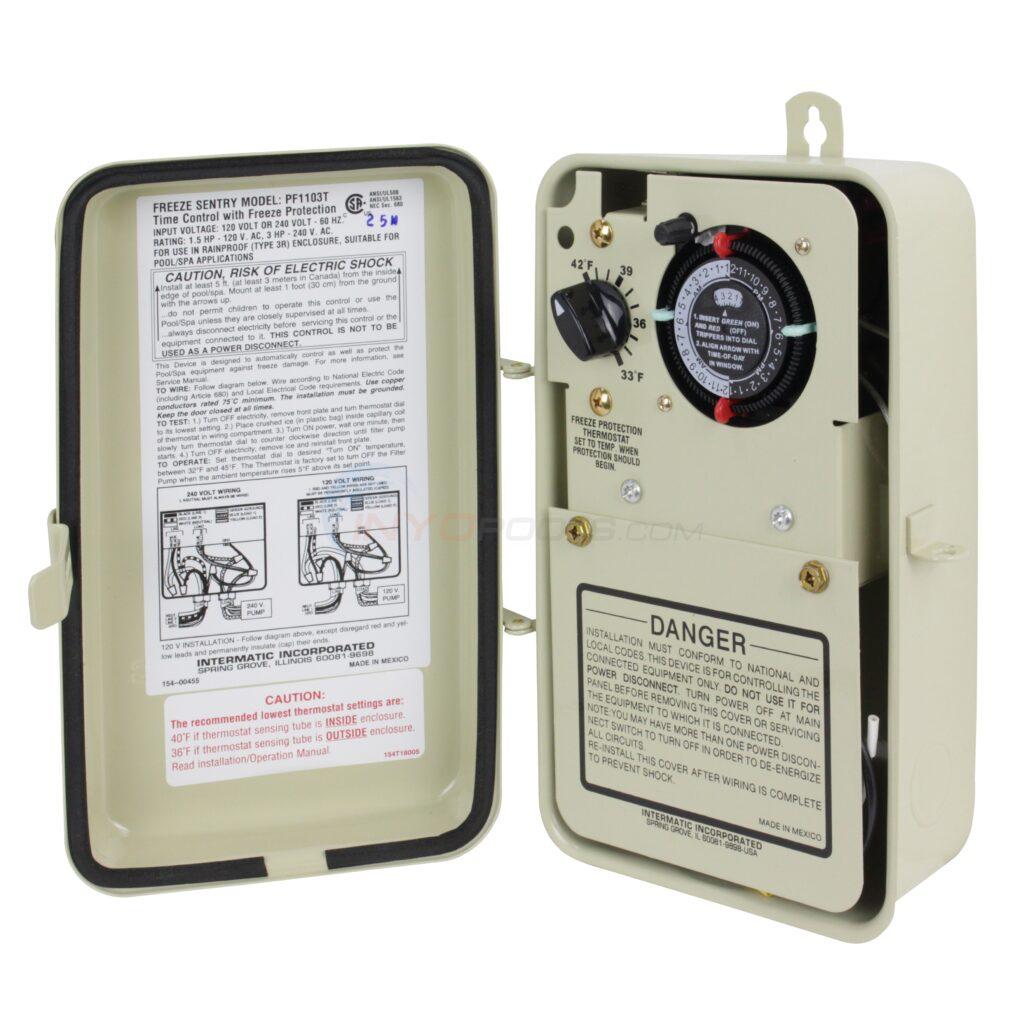
The most reassuring step is to keep water moving, helping you feel in control and confident that your pool is protected from freezing. The single most important thing you can do is keep water moving. Flowing water is far less likely to freeze than stagnant water. Pool freeze protection timers are an easy-to-install, automated add-on for protecting your pool from ice and freeze damage.
- Run your pool pump continuously during freezing temperatures, especially overnight.
- Set your pump to run 24/7 until the freeze passes.
- If your system has a freeze-protection mode, confirm it’s enabled and functioning properly.
- Variable-speed pumps should be programmed to maintain consistent flow, not just low-speed circulation.
Why it matters: Frozen water inside plumbing lines is the leading cause of freeze-related pool damage.
2. Verify Freeze Protection Settings (Don’t Assume It Works)
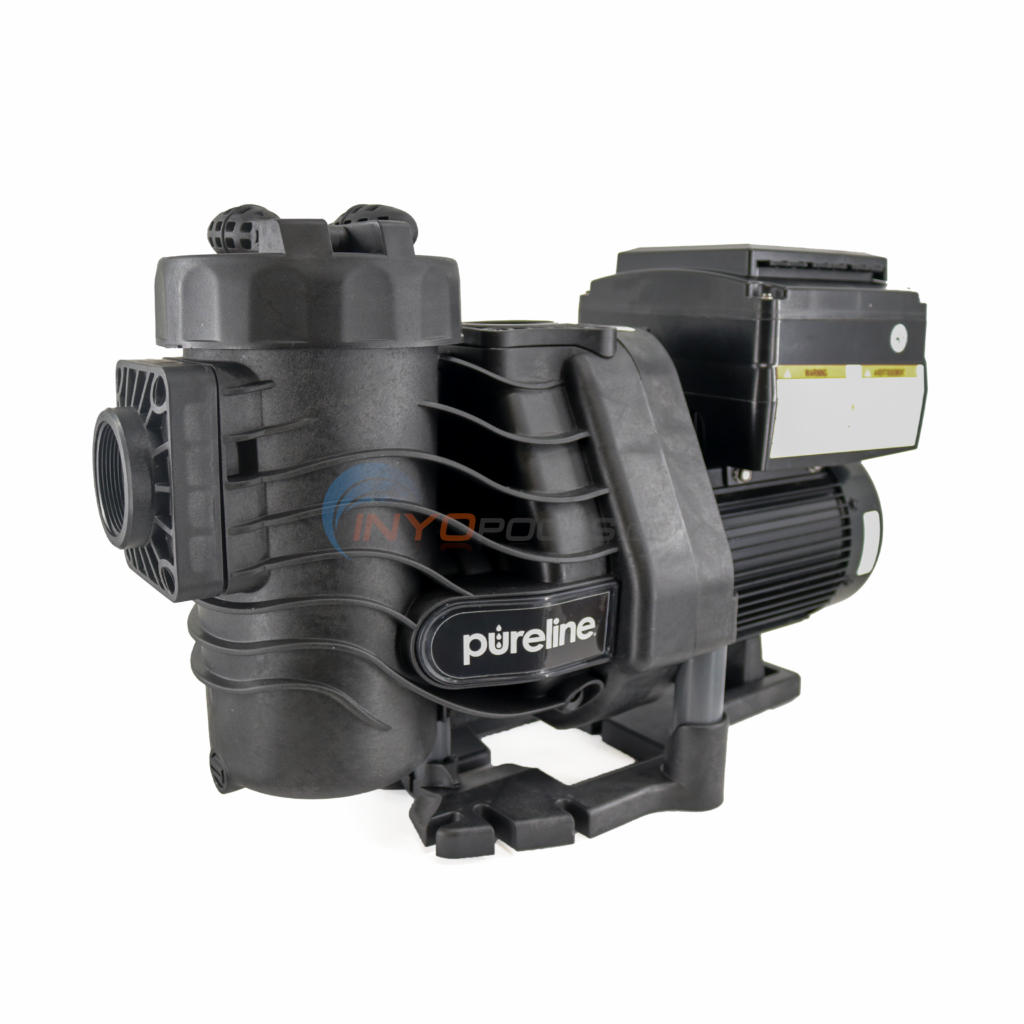
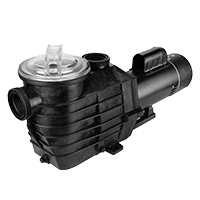
Confirming the system’s correct setup ensures your pool is protected, encouraging readers to double-check rather than rely on assumptions. Many modern pool systems include freeze protection, but it must be set correctly. Pool pump motors like the Neptune Variable Speed and Century V-Green EVO Variable Speed have built-in freeze protectors; pumps that use either of these motors also include these features, pumps like the Pureline EasyFit.
- Confirm the freeze temperature setpoint (typically 36–38°F).
- Ensure air temperature sensors are clean, unobstructed, and functioning.
- Test the system ahead of time to verify it actually turns the pump on when temperatures drop.
Pro tip: Freeze protection won’t help if there’s a power outage. Plan backups just in case.
3. Insulate Exposed Plumbing and Equipment
Any exposed pipes or pool equipment above ground are especially vulnerable.
- Wrap pipes with foam pipe insulation or towels secured with waterproof tape.
- Cover diverter valves, check valves, unions, and elbows—these are common failure points.
- Insulate exposed sections of heaters, chlorinators, and pumps.
Avoid plastic bags alone: non-breathable bags trap moisture and provide little insulation unless combined with towels or foam.
4. Use a Pool Equipment Cover or Temporary Wind Barrier
Cold air and wind chill can accelerate freezing.
- Use a fitted equipment cover or heavy-duty tarp to block wind.
- Secure the cover without sealing it airtight—equipment still needs airflow.
- If possible, position plywood or temporary barriers around the equipment pad to reduce exposure.
Important: Never place covers directly on heaters while operating unless the manufacturer explicitly allows it.
5. Keep the Pool Water Level Normal
Lowering the water can actually increase risk during a freeze.
- Maintain normal operating water levels so skimmers and returns stay submerged.
- Low water levels expose plumbing to colder air, increasing freeze risk.
Exception: If you are winterizing and shutting the system down completely, water levels may be lowered—but this is a different process than freeze protection.
6. Remove or Secure Pool Accessories
Loose accessories can be damaged by ice or restrict water flow.
- Remove skimmer baskets, pool cleaners, and robotic units.
- Store hoses, poles, and floating accessories away from the pool.
- Ensure return eyeballs and directional fittings are clear and unobstructed.
Bonus: This also prevents debris buildup during windy winter weather.
7. Protect the Pool Heater
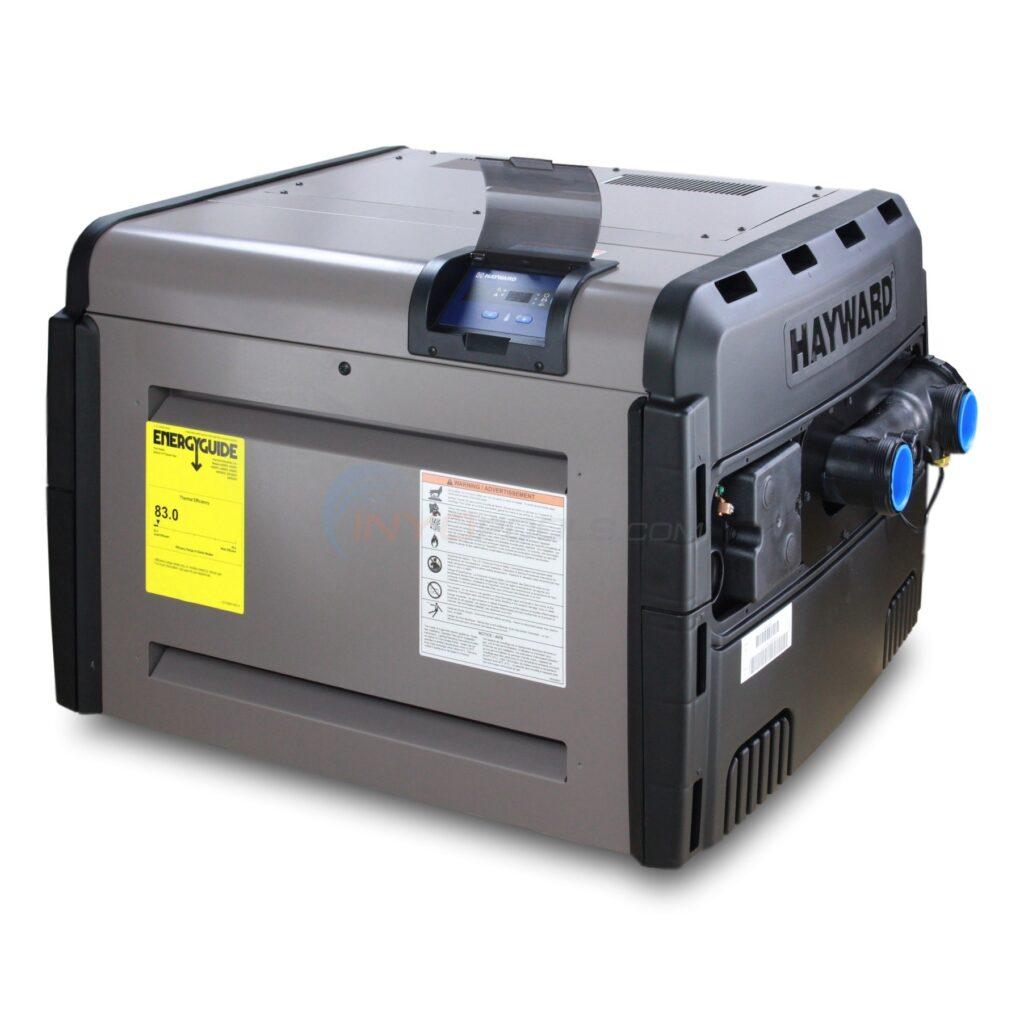
Heaters are one of the most expensive components to repair or replace.
- Keep water flowing through the heater during freezing conditions.
- If you plan to shut the system down, drain the heater completely following the manufacturer’s instructions.
- Do not rely solely on heater bypass valves unless you are confident they fully isolate and drain the unit.
Gas heaters are especially vulnerable to freeze damage in heat exchangers.
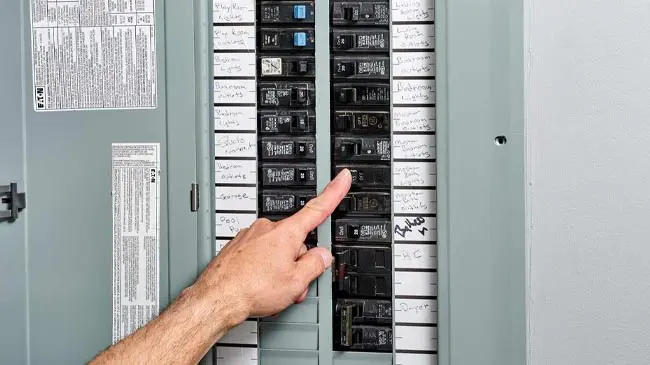
8. Prepare for Power Outages
This preparation reassures you that even in worst-case scenarios, you can protect your pool and avoid panic during unexpected outages.A freeze combined with a power outage is a worst-case scenario.
- Have towels, blankets, or foam insulation ready to wrap equipment quickly.
- Know how to manually drain the pump, filter, heater, and exposed plumbing if power is lost.
- Identify drain plugs in advance so you’re not searching in freezing conditions.
Tip: Keep a flashlight and basic tools near your equipment pad during winter.
9. Don’t Turn the System On and Off Repeatedly
Consistency is key during a freeze.
- Avoid cycling the pump on and off manually.
- Short run times can allow water to freeze between cycles.
- Continuous operation provides the most protection.
10. Check the Pool Daily During Extended Freezes
Deep freezes lasting multiple days require ongoing attention.
- Inspect equipment each morning for ice buildup.
- Listen for unusual noises from the pump or filter.
- Make sure water is still flowing from all returns.
If you see ice forming: Increase run time, improve insulation, or contact a pool professional immediately.
11. Avoid Breaking Ice in the Pool
If ice forms on the water’s surface, don’t panic.
- Never hit or chip ice; it can crack plaster, tile, or vinyl liners.
- Focus on restoring circulation and allowing the ice to melt naturally.
12. Know When to Call a Professional
If you’re unsure about your system’s setup or face extreme cold conditions:
- Contact a pool service professional for freeze prep or emergency assistance.
- Professional winterization may be the safest option for older or complex systems.
Preparing your pool for a deep freeze doesn’t have to be complicated, but it can save you from expensive repairs and downtime when warmer weather returns. By being proactive and protecting equipment, supervisingwater levels, and monitoring temperatures, you can keep your pool safe through the coldest conditions. A little preparation now means peace of mind later and a pool that’s ready to enjoy when the thaw hits.




Leave a Reply