Home / Articles / My Pool Is Only Losing Water When My Pump Is Running

My Pool Is Only Losing Water When My Pump Is Running

If your pool is only losing water when the pump is running, the leak is usually somewhere on the pressure side of the system. That means water is most likely escaping after it leaves the pump and is being pushed back to the pool.

This is different from a suction-side leak. Suction-side leaks often pull air into the system, but they usually do not cause the pool to lose water only while the pump is on.

The good news is that this type of leak can often be narrowed down by checking a few common areas first.

Check These First

Before assuming the leak is underground, inspect the most likely trouble spots:

  • Pump, filter, heater, and chlorinator connections
  • Unions, elbows, valves, and fittings on the equipment pad
  • Pump-to-filter hoses on above ground pools
  • Multiport valve and waste line
  • Return fittings or return jets
  • Wet spots around the pool or along the plumbing path

If the pool only loses water while the system is running, start with anything that is under pressure when the pump is on.

Leak Repair Parts

Need parts to repair your pool leak?

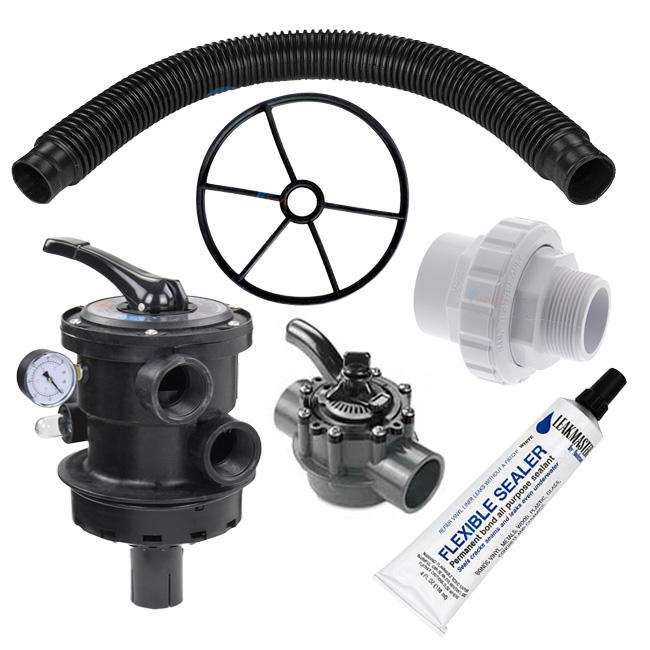
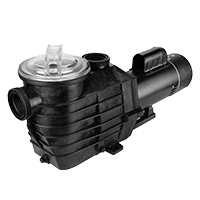
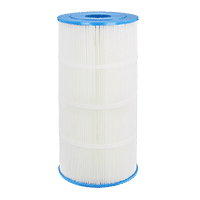
  • Pump and Filter Parts
  • Leak Detection Dye
  • Spider Gaskets, Plumbing and more…

What This Usually Means

When the pump is running, water is being pushed through the filter system and back to the pool through the return side plumbing. If the pool only loses water during that time, the leak is usually somewhere along that path.

Common causes include:

  • A loose fitting
  • A cracked union
  • A bad O-ring or gasket
  • A split hose
  • A leaking multiport valve
  • A leaking return fitting
  • A break in the return line underground

Many of these leaks can be found visually if you inspect the system carefully while it is running.

1. Check All the Connections at the Equipment Pad

Start by looking over all of the visible plumbing and equipment connections where the pump, filter, heater, chlorinator, or salt system connect together.

Pay close attention to:

  • Threaded fittings
  • Unions
  • Elbows
  • Valves
  • Hose connections
  • Heater connections
  • Chlorinator connections

Once the system is running, look for signs like:

  • Dripping water
  • A fine spray or mist
  • Water pooling under the equipment
  • White mineral buildup around a fitting
  • Cracked fittings or brittle hoses
  • Water running down the pipe from a connection above

If you have an above ground pool, inspect the hoses between the pump and filter very carefully. A small split or a loose clamp can leak a lot of water while the pump is running.

If a fitting or connection looks suspicious, turn the system off and inspect the O-ring, clamp, gasket, or fitting more closely.

2. Check the Multiport Valve and Waste Line

If your system uses a multiport valve, that is one of the first places to inspect.

Check the valve body, lid, ports, and surrounding plumbing. Also inspect the backwash or waste line. In some cases, water may be leaking externally from the valve. In other cases, water may be slipping internally past the valve and going out the waste line.

A worn spider gasket inside the valve can sometimes cause this.

Look for:

  • Water dripping around the valve
  • Water leaking from the waste or backwash port
  • Water constantly running out the backwash hose while filtering
  • Cracks in the valve housing
  • Loose fittings near the valve

If water is going out the waste line while the valve is set to Filter, the multiport valve is a strong suspect.

3. Inspect the Return Fittings

If everything at the equipment pad looks dry, move on to the return side of the pool.

Inspect the return fittings or return jets where the water comes back into the pool. If a fitting is loose or a gasket is damaged, water may leak there only while the pump is pushing water through the line.

This is especially worth checking if:

  • A liner was recently installed
  • A fitting was recently removed or replaced
  • You see moisture around the fitting
  • The soil near that area stays wet

Sometimes these leaks are small and easy to miss, so inspect carefully while the system is running.

4. Look for Wet Spots Along the Plumbing Route

If you still do not see a visible leak, walk the area between the equipment and the pool and look for signs of underground water loss.

Watch for:

  • Soft or soggy ground
  • Muddy spots
  • Unusually green grass
  • Soil settling
  • Wet concrete or decking near return lines

A return line can leak underground and only lose water when the pump is actively pushing water through it.

5. Pressure Test the Return Line

If you cannot find the leak visually, a pressure test can help confirm whether the return line is holding pressure.

A pressure test can tell you whether water is escaping somewhere in that line. What it usually does not do by itself is show the exact location of the leak.

If you are comfortable with pool plumbing, this may be something you can test yourself with the right equipment. Otherwise, this is often the point where it makes sense to call a pool professional or leak detection company.

Quick Symptom Guide

SymptomMost Likely AreaWhat to Check
Water loss only when pump runsPressure side plumbingEquipment pad fittings and connections
Water going out the waste lineMultiport valve / spider gasketValve body, waste line, and spider gasket
Wet area near return side of poolReturn fitting or return lineReturn fittings, gaskets, and nearby plumbing
No visible leak but water still drops with pump onUnderground return linePressure test the return side

Above Ground Pool Notes

On above ground pools, these leaks are often easier to find because more of the plumbing is visible.

Check:

  • Flex hoses
  • Hose clamps
  • Return fittings
  • Pump unions
  • Filter connections

Older hoses can split or seep only when pressure builds while the system is operating.

Inground Pool Notes

On inground pools, pressure-side leaks can be harder to find because some of the plumbing is underground.

Start with the visible equipment and fittings first. If everything above ground looks dry, the return line itself becomes more likely.

When to Call a Professional

You may want to call a professional if:

  • You cannot find a visible leak
  • The water loss is significant
  • The leak seems to be underground
  • You suspect a break under concrete or decking
  • You want a pressure test or formal leak detection

A professional can help confirm whether the return plumbing is the issue before major repairs begin.

Leak Repair Parts

Need parts to repair your pool leak?

  • Pump and Filter Parts
  • Leak Detection Dye
  • Spider Gaskets, Plumbing and more…

Final Thoughts

If your pool is only losing water when the pump is running, focus on the pressure side first.

Start with the easiest areas to inspect:

  1. Equipment pad connections
  2. Multiport valve and waste line
  3. Return fittings
  4. Wet spots along the plumbing route
  5. Pressure testing if needed

Many of these problems come down to a leaking fitting, hose, gasket, union, or valve component. A step-by-step inspection can help you narrow it down and avoid replacing the wrong part.

author avatar
Charlie Ramirez
Writer at InyoPools.com, brings a wealth of knowledge and expertise in pool care and equipment, helping pool owners make informed decisions for over a decade.

Related Videos

36 responses to “My Pool Is Only Losing Water When My Pump Is Running”

  1. Michelle Avatar

    I have wet spots all around the yard. Unable to find any irrigation leaks. Pool isn’t losing any water with the auto filler off. What am I missing?

    1. Matthew Simmons Avatar

      Are you in a flood plain? Has it rained recently? Is the soggy ground only around the pool?

  2. J Avatar

    Yesterday my pool pump got replaced and we have been running it quite a bit to get the algae out of the stagnant water.

    I notice that the water has dropped significantly but there is no obvious leaks near the motor/pipes.

    What can be the problem I wonder?

    1. Matthew Simmons Avatar

      Have you been backwashing and rinsing your filter more often since you are fighting algae?

  3. Jill M Avatar

    Hi. Our pool is losing water ONLY when the pump is running and connected to the return line. We have bypassed the return line and are running an above ground return. The water level is above the return jets in the pool and we aren’t losing any water. We do not have the plugs in. I’m thinking this is a leak only when the return lines are under pressure. Thoughts?

    1. Matthew Simmons Avatar

      You can try replacing the gaskets that seal the return jet pieces. or you can try replacing the whole return jet since you probably don’t want to drain your pool twice to fiddle with the return.

      Do you have a DE filter? I ask because a another sneaky place to check for a leak is the waste line of the multiport valve.

      1. Margot Avatar

        Hello,
        I came on here to read some of the same issues others are having. My pool drains over a foot of water ONLY when the pumps are running. It’ll drain out my jacuzzi, infinity edge and a foot of water in the pool, then it’ll fill up the jacuzzi again and the pool will remain the same. I’ve had all types of leak detection companies come out, pumps are new (everyone says pumps are fine) all valves seem to be fine, and all the lines are holding pressure.. yet no one can figure out why this keeps happening. Any suggestions are greatly appreciated.

  4. ANNE MArie Avatar

    WATER CLOUDY WHAT CAN I DO.

    1. Matthew Simmons Avatar

      If you type in cloudy water in our search at the top, there are tons of articles to read. Just one of the many that ae available: Why Is My Pool Cloudy?

    2. Drew Avatar

      Water coming out the side of pump when running

      1. Matthew Simmons Avatar

        Your pump housing is either cracked or you’ve blown a gasket. Either way, we’d need to know the make and model of the pump to see what parts are available for it.

  5. NIck Avatar

    Hello. it sounds like you have a leak on one of the outlets from the pump to the pool. isolate as best as you can from the outlet valves going to your pool to see which area is the problem. Another sure tell sign is a dip in your pavers or concrete. That water is going somewhere so the sooner you find out the better. You dont want a sink hole or your pool wall to cave in. Once you know which set of pvc piping is leaking, you will have to cut that portion off the existing piping, cap it, and re-plumb back together at the filter to get you by. To fix properly you would need to tear out a small portion of concrete, repair the leak or replace the PVC, and re concrete. I had a similar problem with a bottom drain line. I was losing an inch in 2 days and losing positive suction at the pump , which caused air to get in the system. Isolated which area was the problem, selected only skimmer suction, and capped the bottom drain. That was fun! Not! Good luck!

  6.  Avatar

    You can help isolate a return line leak by using the shutoff valves. Shutoff the shallow return line and run the filter measuring water loss. Then repeat by shutting off the deep return line and measuring water loss. This will determine if the leak is at the deep or shallow return. The leak most likely is located at a joint of the line. A large crack in the sidewalk may also help locate the general area of the leak. A leak detection company will charge around $300 to find the leak .

  7. Undra Collins Avatar

    water is draining into the pool from the spa why is that?

    1. Jozini Avatar

      The check valve that prevents the water from flowing back to the lower level of water in the pool, is leaking.
      My pool does the same thing. The jacuzzi ‘s water level is about 6″ higher than the pool water , so when the pump shuts off, the water from the jacuzzi siphons back thru the check valve and into the pool. Water will seek it’s own level, and will flow from the higher level to the lower level,… Till they are the same level in both the pool and the jacuzzi.
      You can turn the “Ortega Valve” that feed the jacuzzi, off each time, when the pool pump shuts off. But this is a nuisance. I just let the water from the jacuzzi flow into the pool, and when the pump starts each day … It re- fills the jacuzzi, and the system operates as usual…. You can change out the internal workings of the check valve (spring & the disc ) , or replace the entire check-valve assembly….

  8. Sherry Avatar

    Is it really that bad that my German Shepherd swims whenever she wants in our swimming pool? Does the hair make the pump work harder?

    1. Matthew Simmons Avatar

      When your pup swims, all the shed hair will end up in your skimmer or pump basket, maybe even your filter. Dog hair can clog a system pretty quickly if you do not keep an eye on your baskets. If you don’t mind cleaning up, then it shouldn’t be a problem.

      This article may be useful to you: How To Remove Dog Hair From Your Pool

  9. Debbie Chan Avatar

    Doughboy 16×32 . with a deep end.
    Ours is definitely leaking from the outside of the return. This pool has been with us since last century– have certainly replaced the liner a few times and it is intact. My husband has reinforced the area with a semi-truck mud flap piece of rubber(!),but it’s time to do some more damage control. It has been determined that whoever (me) added a cheapo fountain accessory to the return is at fault and the threads are all stripped and the entire return thing needs replacing. (My son concurs)
    WHICH PARTS DO I NEED TO ORDERr? The filter and pump are relatively new. We’re experiencing the same stay at home thing as everyone else, but I have the added feature of 4 grandchildren who live in our bubble that expect to be able to swim during 2020 summer months.

    1. NIck Avatar

      Hello Debbie. Sounds like you need to do some PVC pipe work and maybe some return port replacements. I cannot get a visual on the mud flap reinforced area you refer to though. if it is leaking from one pipes going to the ports, you should be able to isolate which one. Also, if it has been leaking awhile, it may be creating a loss of earth under your pool. You will most likely see a dip in the ground or concrete somewhere. That size pool should have at least 4 inlets and a selector valve for each set. I have a 16×32 kidney pool and mine has 4 with a selector for the step area or the deep end or both. You should get enough circulation with just 2 as long as you have your chemicals right. Hope this helps! Good Luck!

  10. Jeff. Avatar

    Do you guys sell the HeaterReader? It’s awesome. I want to buy one!

    1. Matthew Simmons Avatar

      We do not, and I have not heard of that product before.

    2. Ron Heddinger Avatar

      I have a 1982 Koehler super spa with 11/2 hp booster pump and a 1/6 hp circulating pump my problem is the circulating pump after not using the spa for only a few hours will not pick up the water. There is air bubbles in the strainer basket and the water goes down then the circulating pump won’t pick up the water. There is know visible water leaks. This has never happen before. I made sure the strainer top was light. What do you think could be wrong. I need some help. I am a retired plumber and know most things about problems but not this.

Leave a Reply

Your email address will not be published. Required fields are marked *