
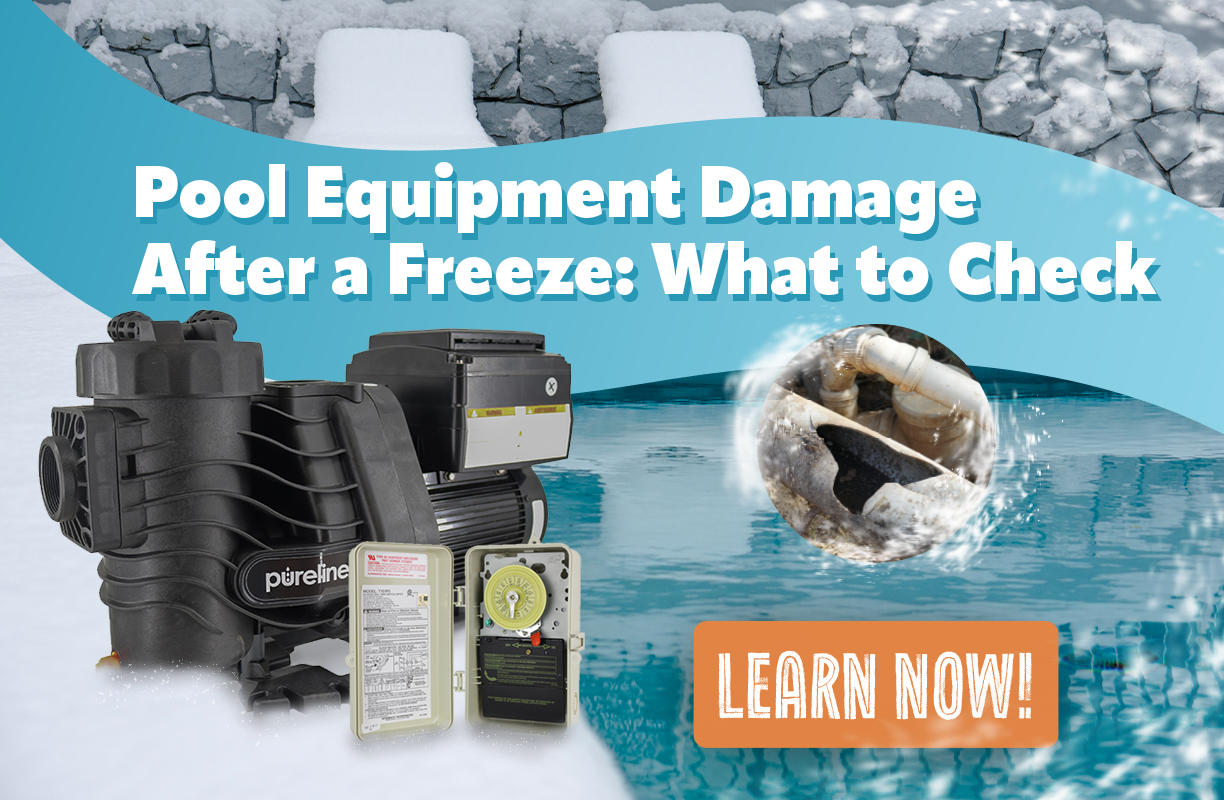
After a deep freeze, pool equipment can suffer hidden internal damage from water expanding as it freezes. Even small cracks can cause major leaks once the system is restarted. Below is a detailed breakdown of what to inspect, repair, or replace, and why each component is vulnerable.
1. Pool Pump & Motor
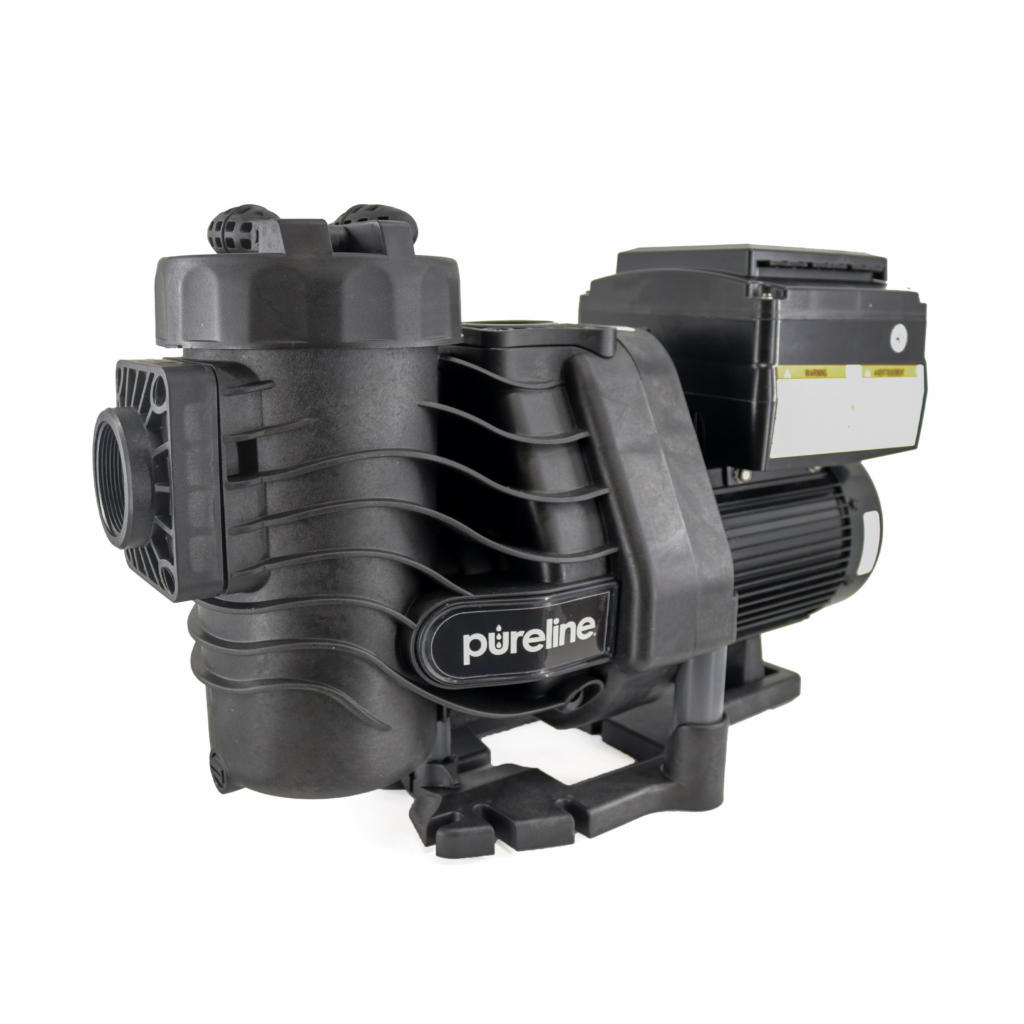
Why it fails:
Water trapped inside the pump housing, strainer pot, or volute expands when frozen, cracking plastic components and deforming seals.
Common issues:
- Cracked pump housing or strainer lid
- Broken drain plugs
- Shaft seal failure causes leaks between pump and motor
- Motor bearing damage from moisture intrusion
What to do:
Check for water under the pump, air leaks, loud startup noise, or loss of prime. Cracked housings usually require full pump replacement, while seals and lids can often be repaired.
What You’ll Need:
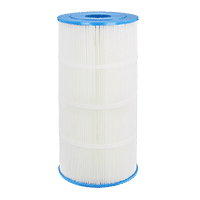
2. Pool Filter (Cartridge, Sand, or DE)

Why it fails:
Frozen water inside filter tanks or internal manifolds causes tanks to bulge or split, especially near seams and drain ports.
Common issues:
- Cracked filter tanks
- Broken air relief valves or pressure gauges
- Damaged internal laterals or manifolds
- Leaking bulkheads or drain assemblies
What to do:
Inspect the tank body closely, especially near molded seams and threaded fittings. Small cracks usually worsen under pressure and require tank replacement.
What You’ll Need:
3. Valves & Above-Ground Plumbing
Why it fails:
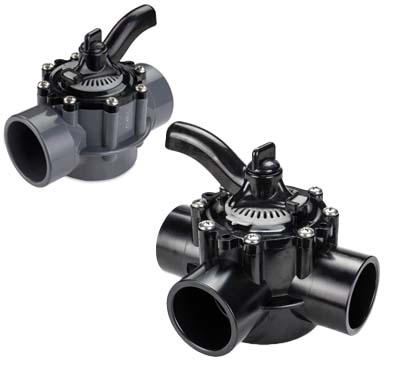
PVC and valve housings become brittle in freezing temperatures, and trapped water expands inside, causing splits that may not be visible at first.
Common issues:
- Cracked ball valves, diverter valves, and check valves
- Split unions or threaded fittings
- PVC pipe fractures along elbows and vertical risers
What to do:
Look for white stress lines, damp soil, or air entering the system. Valves often fail internally and may need replacement even if they don’t leak immediately.
What You’ll Need:
4. Pool Heater
Why it fails:
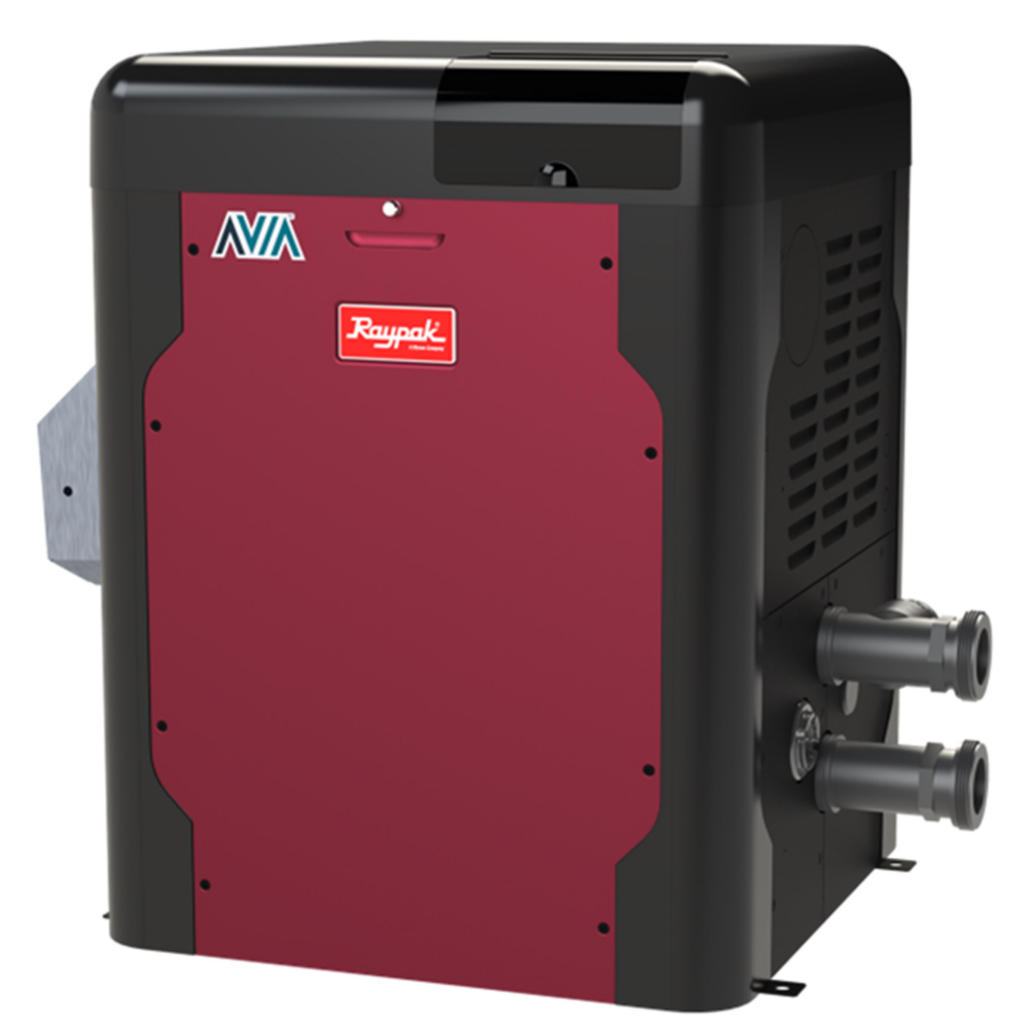
Heaters are one of the most expensive freeze casualties because water trapped inside copper or cupro-nickel heat exchangers expands and splits tubing internally.
Common issues:
- Cracked heat exchangers
- Broken headers and bypass valves
- Internal leaks causing water to drip from the cabinet bottom
What to do:
If water pours out when the pump starts or the heater won’t maintain pressure, the exchanger is likely damaged, often requiring major repair or heater replacement.
What You’ll Need:
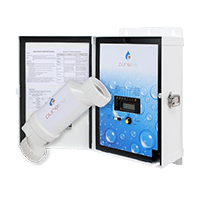
5. Chlorination Equipment (Salt Systems & Tablet Feeders)
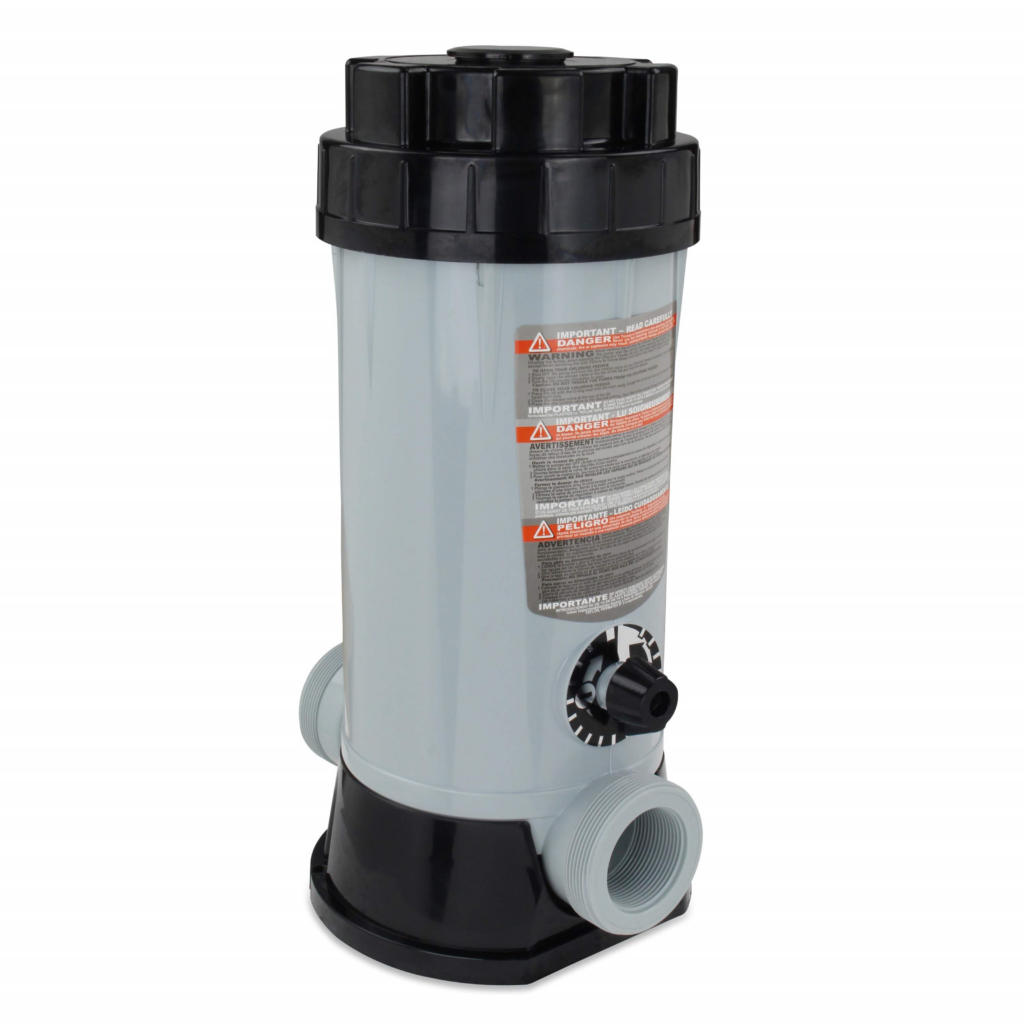
Why it fails:
Salt cells and chlorinators hold water internally and are often overlooked during winterization or pre-freeze prep.
Common issues:
- Cracked salt cell housings
- Broken unions or sensor housings
- Leaking inline/offline tablet feeders
What to do:
Inspect for water leaks at startup and watch for low-flow or cell error codes on salt systems.
What You’ll Need:
6. Automation Systems, Sensors & Flow Switches
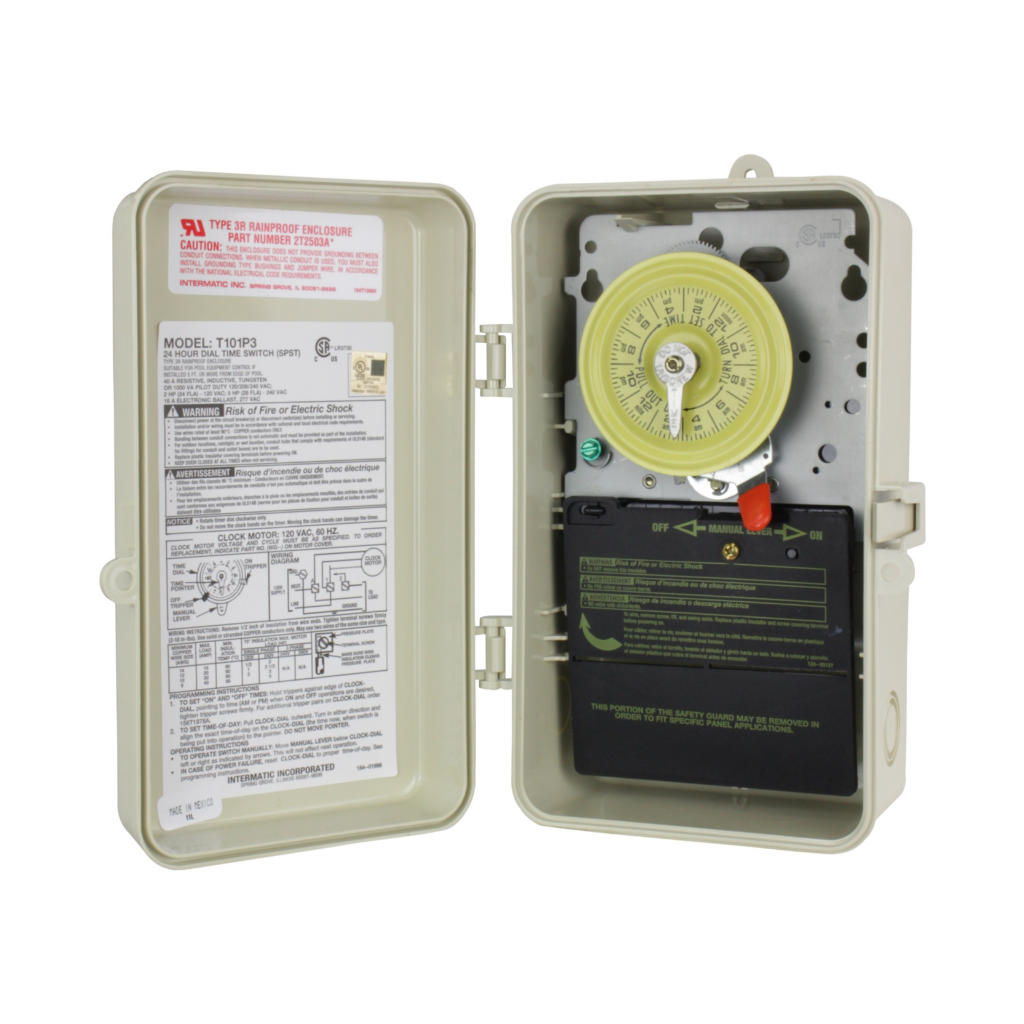
Why it fails:
Freeze damage can crack sensor probes or allow water intrusion into electronic housings.
Common issues:
- Failed temperature or freeze sensors
- Broken flow switches are preventing heaters or salt systems from operating
- Corroded terminals inside control boxes
What to do:
Check for error messages, communication failures, or equipment not responding to automation commands.
What You’ll Need:
7. Skimmers, Returns & Exposed Pool Fittings
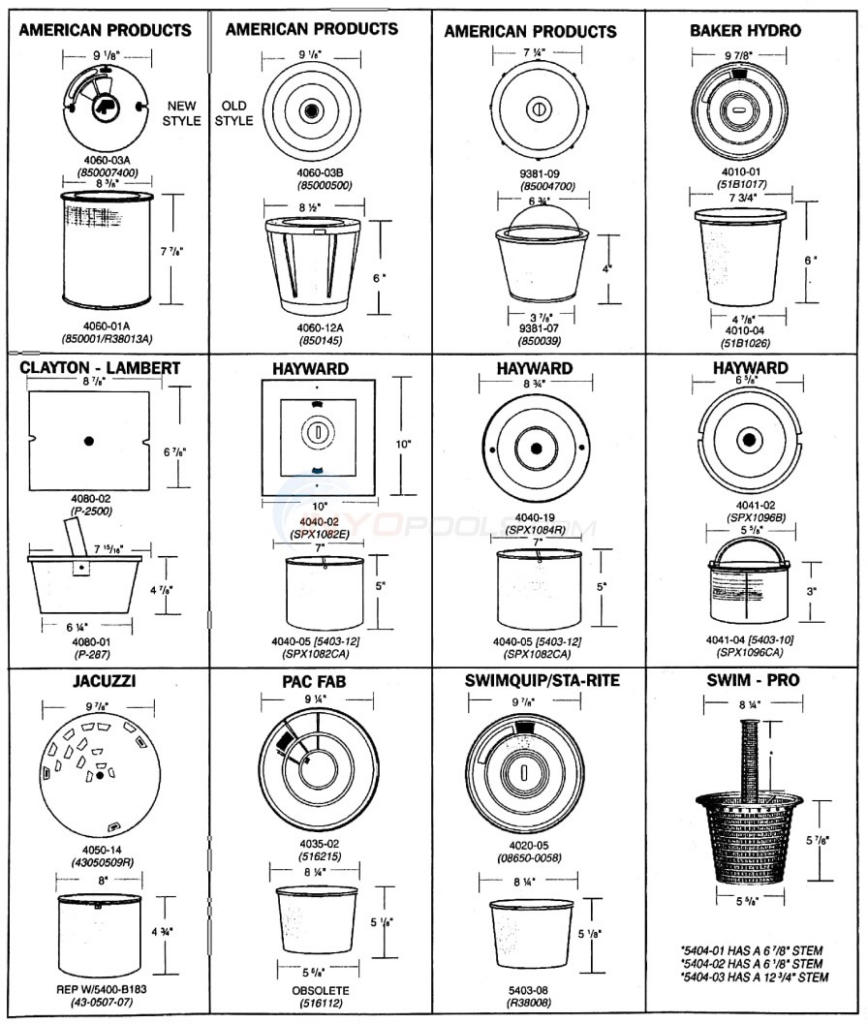
Why it fails:
Water trapped above the pool waterline freezes and expands inside skimmer throats and return fittings, cracking the plastic body or wall penetrations.
Common issues:
- Cracked skimmer bodies
- Leaking return fittings or directional eyeballs
- Air leaks pulling bubbles into the pump
What to do:
Inspect the pool wall and skimmer faceplate area for drips, air bubbles, or water loss.
What You’ll Need:
8. Underground Plumbing Lines (Less Common but Serious)
Why it fails:
While underground pipes are usually protected by soil insulation, shallow or poorly drained lines can freeze during prolonged cold snaps.
Common issues:
- Pressure loss in certain lines
- Air bubbles entering pump
- Wet spots forming in yard
What to do:
Pressure testing is the best way to detect underground freeze damage.
What You’ll Need:
Pro Tip
Never restart your pool system immediately after a freeze. First:
- Visually inspect all equipment
- Replace broken drain plugs
- Pressure test plumbing
- Start the pump briefly while monitoring closely
Catching freeze damage early can prevent flooding, motor failure, or electrical hazards.
If you are interested in researching closing your pool next season to prevent these problems in the future, check out our article – Should I Close My Pool Or Leave It Open For Winter?




Leave a Reply