

This may not sound possible, but way back in the eighties I built an above ground swimming pool at a home that didn’t have electricity. I remember it well. Using just a map, I drove way out to the other side of Lake County to a small house that looked like a shack. I had the best map you could buy and it still didn’t have all the streets on it, but I was good at finding places. It seemed to me that I was always building pools way out in the boonies. And it was always the last house on the right. As you can imagine, this place was way out in the middle of nothing.
When I arrived, I was still unaware that they had no electricity and started asking the standard questions of where did they want the pool and where did they want the pump and filter. “Pump and filter?” my salt-of-the-earth customer asked. He didn’t know what I was talking about as he just went to Rec Warehouse in Orlando and bought a swimming pool. He had no idea that a pool has to have a pump and filter. After I explained it to him, he of course wanted me to install the pool anyway and said that he would just have to figure it out later. It was only a 15’ round pool so we built it pretty quickly complete with its pump and filter pack and the pump’s cord that had nothing to plug into and we were soon on our way back to Orlando. In the eighties, electricity only came from overhead power lines and during the drive back I noticed that there were no lines going to some of the other houses and realized that my customer wasn’t the only one without electricity. Sounds crazy, huh?
For a few years after that and whenever I was way out in the boonies, I would pay attention to power lines and how they wouldn’t always reach all the homes. It’s almost unbelievable to think that there were homes as recent as the eighties in Florida that had no electricity. If I hadn’t seen it for myself, I wouldn’t believe it. Now of course electricity is everywhere. And if you are going to get a pool, you’ll need electricity. Here’s an idea of what you’ll need.
Whatever It Takes
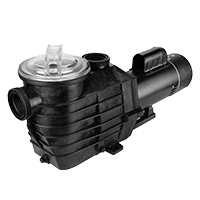
Above ground swimming pools come with above ground pool pumps. I say this because pumps for in-ground pools are a little different. The two big differences are above ground pumps cannot draw water upward and that above ground pumps come only in 120V (volt) as they are not what is called “dual voltage”. Since pumps for above grounds only come as 120V, they all have standard three-prong plug cords attached to them. So due to these pumps having standard cords on them, the easiest way to get power to your pool is to use an extension cord connected to some outlet from the house.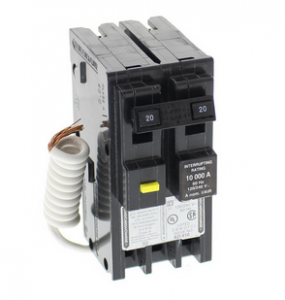
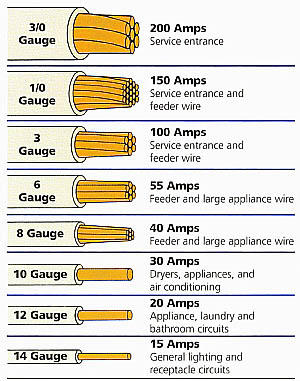
I recommend only using an extension cord temporarily until you can have a permanent power line buried that runs to the pump. Many only use an extension cord as theymay not have the money to do it right. If this is the case for you, then use an extension cord that has at least a #12 gauge wire. You really want a #10 gauge, but these cords are pricey. You want a thicker extension cord, because a pool pump requires a good amount of electricity to run. So, if the wire in the extension cord is too thin then the cord can eventually burn up or overheat causing the pump not to run. Also, because the pump uses a lot of power, the outlet that you plug the extension cord into should be on what is called a “dedicated circuit”. What’s that? A dedicated circuit or line or outlet is one that only goes to one place/outlet from the electric box. This means the outlet isn’t connected to other outlets or things that might use some of the electricity coming from the power source (box). Your pool pump is greedy. It’s going to want to have all the power available in the wire. If it shares the electricity with something else, it may cause the breaker to throw off. At that point, nothing will work until you turn the breaker back on in the electric box and that’s scary. Well, not too scary.
The Right Way to Power Your Pool Pump
So let’s say you can afford to get the proper power line run to the pool’s pump. What now? Well, if you are having an electrician do the job then he’ll figure out what he needs and may ask you to give him the requirements for the pool’s pump motor. He’ll then come out and see where your electric box is at your house and where the pump is and then depending on how much digging he has to do, will charge you accordingly. He’ll take it from there and all you’ll have to do is pay him and you’re done.
Doing It Yourself?
Here’s a list of what you need to know:
- At least a basic knowledge of electrical work
I don’t need to tell you that electricity is scary and dangerous. If you don’t know enough about it, then satisfy your DIY urges elsewhere. Work some overtime and pay someone to do this.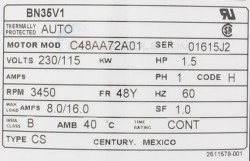
Find Your Motors Amps on the Label
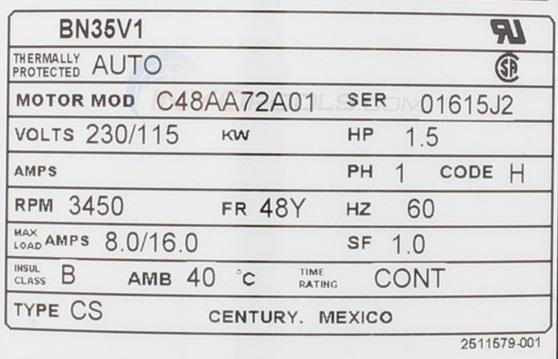
- Find out how many amps the pool pump needs
Amperage is the amount of electricity that runs through the electric wires. You need to know this for two reasons. One is so you can know what size breaker is needed at the electric box and the other so you know what size of wire to run to the pool’s pump. A typical above ground pool pump will require a 20-amp breaker and use #12 gauge wire to deliver the electricity.
- Does your swimming pool have any other electrical needs?
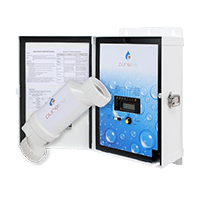
Your swimming pool equipment may have other needs for electricity. Add-ons like ozonators, ionizers, and salt chlorine generators require electricity. These add-ons usually don’t use much electricity so you won’t have to upgrade the breaker and wire size needed for the pump. If these add-ons are made for above grounds then they usually have standard three-prong plugs so you want to make sure there is an outlet for them. Above ground pool lights will also need an outlet.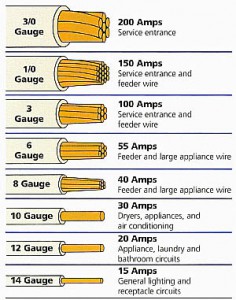
- Follow the NEC codes
I’m not one who always follows the rules, but when it comes to electricity it’s a really good idea. NEC is the acronym for National Electric Code and it can be found online or by calling your local building department or talking to an electrician. The NEC will tell you things like how far down to bury the wires, the wire size, breaker size, which weatherproof outlet to use, and grounding requirements.
- Consider getting a timer
You’ll thank me later. Most above ground pool packages don’t come with pump timers. If you don’t have a timer, you or someone you consider responsible will have to turn the pool pump on and off every day as the pump needs to run daily. A timer will do this automatically. Believe me, getting a timer is worth the extra money and hassle.
The electrical component of an above ground swimming pool is pretty important. If you have a budget, don’t cut your corners here. If you have to, don’t buy that fancy float that holds four beers so that you can get your electrical work done right.
If you have any questions on your above ground pool services then we would be happy to help, feel free to give us a call at 1-877-372-6038 or email us at upload@inyopools.com If you liked this article then make sure to sign up for Blog and get our Free 128 Page Pool Care Guide.








Leave a Reply