Home / Articles / Which Is Best: A Swimming Pool Heater or Heat Pump?

Which Is Best: A Swimming Pool Heater or Heat Pump?

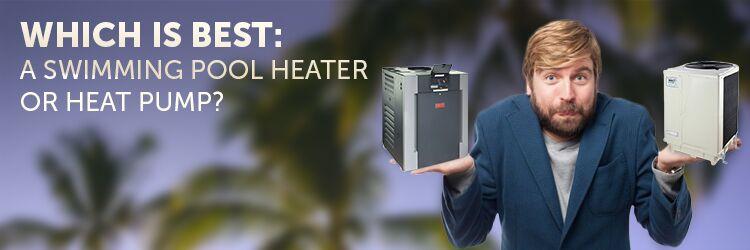
In terms of heating, what is better, a swimming pool heater or heat pump?

Every year, like clockwork, pool owners ask us this question. Both swimming pool heaters and heat pumps provide excellent heat sources for pool heating. Honestly, the answer depends on a couple of different factors. Comparatively, they are unique to the pool owner’s needs and wants.

Before making your purchase, let’s discuss the pros and cons of swimming pool heaters and heat pumps.  

Pool Heaters

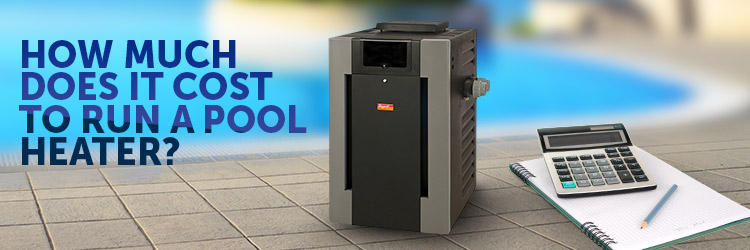
In short, gas heaters are most comparable to your home water heater. As your pool water passes through the unit, the heat exchanger heats the water and returns back to your pool. To operate the heater, you need access to propane or natural gas. Depending on where you live, one or the other might be readily available and/or much cheaper. In comparison to heat pumps, pool heaters have lower upfront costs. However, when you’re shopping, don’t forget to calculate the cost of propane or natural gas needed to operate the heater. The costs of gas might exceed the cost of a heat pump.

Still, pool heaters are perfect for pool owners who live in cold areas and are looking to keep their pool open all year. In fact, they are the quickest way to heat your pool. In most cases, you can raise your water’s temperature by one to three degrees per hour. Additionally, if you own a pool and spa combo, a pool heater is the way to go. A heat pump doesn’t have enough power to heat both simultaneously.

Also, if this is your first pool heater, determine if you have an underground gas line for installation. If you don’t have an existing gas line, we recommend calling to get an estimate before purchasing your heater. Sometimes, the price of the gas line is more expensive than anticipated.

Manufacturers do not recommend homeowners installing pool heaters themselves. In fact, you void the warranty on your heater if you fail to hire a licensed pool technician.

A Pool Heater Is Perfect For:

  • Quickly heating your water
  • Colder temperature areas
  • Extending your swimming season a few months or keeping it open all year
  • Pool and spa combinations

Heater Related Content

Pool Heat Pumps
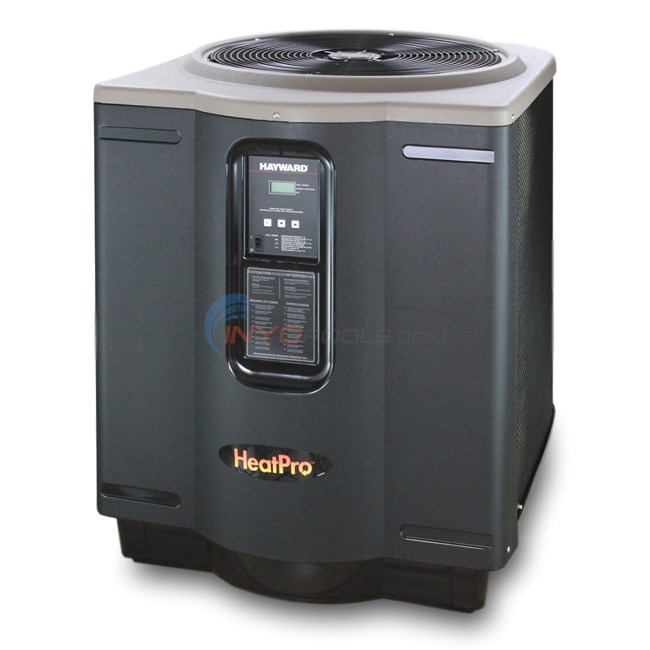
Hayward Heat Pro Heat Pump 95,000 BTU - HP21004TPool heat pumps actually work in reverse of your home air conditioning unit. Unlike heaters, pool heat pumps use the ambient air surrounding the unit to heat your pool’s water. In short, the unit transfers the heat from the outside air to heat the water.

This creates a problem for pools in colder areas. Once temperatures drop below 50 degrees F, the heat pump loses the ability to effectively heat your pool. So, if your area is consistently below 50 degrees F, a heat pump may not be the best option for you.

Generally, heat pumps are more expensive than heaters. However, the cost to run a heat pump is dramatically lower than the consumption of a gas heater. This makes heat pumps the most efficient way to heat a pool. In fact, the cost to operate a heat pump is only a fraction of the costs of propane or natural gas. Sometimes, the upfront costs of the heat pump are cheaper than the overall costs of a pool heater.

A Pool Heat Pump Is Perfect For:

  • Single body pools
  • Areas with warmer temperatures (greater than 50 degrees F)
  • Extending your swimming season a few weeks
  • Saving money on gas

Heat Pump Related Content
Pool Heater or Heat Pump?

Should you purchase a pool heater or heat pump?

Heaters and heat pumps are great solutions for swimming in a cold pool. However, before purchasing one, determine exactly what your needs are.

If you live in a colder climate and are interested in extending your pool season or simply looking to heat your water fairly quickly, we recommend a pool heater. Also, if you have a pool and spa combination, invest in a pool heater.

On the other hand, if the area you live in doesn’t normally drop below 50 degrees F, like Florida, we recommend a heat pump. Heat pumps are great options for pool owners who simply want to keep their pools warmer during their normal swimming season.

Whether you choose a swimming pool heater or a heat pump, make sure it benefits your needs. If you have any other questions regarding heaters, heat pumps, and what may be the best option for your pool, sound off in the comments below.

author avatar
Charlie Ramirez
Writer at InyoPools.com, brings a wealth of knowledge and expertise in pool care and equipment, helping pool owners make informed decisions for over a decade.

Related Videos

46 responses to “Which Is Best: A Swimming Pool Heater or Heat Pump?”

  1. Iain in AZ Avatar

    So, in Phoenix we have a different problem.. we’d like to keep the pool 10-15 deg COOLER in the summer when it’s 115 air temp and pools are routinely at 85-100 water temp. Swimming is not a refreshing experience when the water is that warm. Will a properly sized HP accomplish that? We’re thinking 5 ton HP for a 15k gal pool.

  2. Jennifer Avatar

    I have a above ground pool that is 22000 gallons and was wondering if a electric heat pump would work well. It super pricy to run the propane gas line the distance we would need to go but don’t want to purchase the electric heat pump if it’s not a good option with my size pool.

    1. Matthew Simmons Avatar

      You can get a larger sized heat pump, the things to consider whether or not a heat pump will work for you is summarized in the last section of the article.

  3. Brett Avatar

    Existing in gfound pool looking to add a heater but there is a poolhouse where all of the equipment is located.
    Is there a gas heater that can be installed in a poolhouse?
    All of mine have been outside so no ned of venting.

    1. Matthew Simmons Avatar

      Yes, a pool heater can be installed in an enclosed room, but there would need to be ventilation to allow in fresh air and an indoor vent kit would be required. Every pool heater has its own specified kit for indoor installations.

      1. Brett Avatar

        Perfect Thanks!

  4. Julie Avatar

    We are building a large inground pool and spa in the palm springs area. We are hoping to heat the pool to 83 degrees Jan through April. In jan and feb, the low temps can be 45-50 degrees, though the highs are in the 70s. Should we install a heater or heat pump? Someone told us to install both – the heater to get it up to temperature and the heat pump to keep it at temperature. Your thoughts?

    1. Matthew Simmons Avatar

      If you have the budget to get both, then do that because it is the ideal situation. But if you were to only do the one unit, I’d choose the gas heater, mainly for the winter months. Most heat pumps are not going to work in temperatures below 60 degrees; plus their ability to raise the temperature is strongly tied to the ambient air temp. Also, with the spa, when you want the heat you will want it NOW; gas is the only way to get that.

      1. Danny Avatar

        Is a heat pump efficient enough in dry climates? Southern California can have very dry humidity levels. It seems as heat pumps are popular where humidity can be high, like Florida.

  5. Mx. Nathan Tamar Pautz Avatar

    OK, thank you for the information.

  6.  Avatar

    OK, thank you very much.

  7. Mx. Nathan Tamar Pautz Avatar

    The heat pumps I was looking at are the Arctic SPA-025ZA, 10 kW, 35,000 BTU, and the SPA-045ZA, 15 kW, 50,000 BTU. They are made to operate in low ambient temperatures down to 20°F and also have a chiller function. Or should I be looking at electric resistance heaters rather than heat pumps, given the small size of my pools? However, I am concerned that electric resistance heaters may be too expensive to operate.

    1. Matthew Simmons Avatar

      I’m not familiar with those models, but spa electric heaters are going to be around 11 kW to 27 kW range like the Raypak E3T

  8. Mx. Nathan Tamar Pautz Avatar

    I live in Central Florida. I am not able to afford an in-ground pool and am working with the small amount of enclosed space that I have on my screen porch. There I have set up two small above- ground pools, a kiddie pool (about 500 gallons), which I filled in January but haven’t been able to use, yet, because the water has been too cold, and a deeper iPool therapy pool (about 1270 gallons), that I plan to fill soon. Both are strictly for me and my dog. I want to heat both with one heater and keep them both around the same temperature, comfortably warm, but not hot. I may have to heat one at a time. I do not have natural gas. I am looking at a heat pump for spas that claims to work even below 50° F, that also has a chiller function. I don’t know what propane would cost, but I would rather spend more up front on a heat pump than to have high monthly electric bills in the future. Suggestions?

    1. Matthew Simmons Avatar

      A heat pump, that also has a chiller function, while also being a low ambient temp model is going to be a hard find. If your main concern is the heating then the Hayward HeatPro Heat Pump 140,000 BTU (Low Ambient) – HP21404TC would be a good option. There is also the AquaCal HeatWave SuperQuiet Heat Pump 101,000 BTU – SQ125AHDSBNP.

  9. Jay Avatar

    If you have no available breakers, you will have to expand your electrical service. There are plenty of automation systems on the market that could be set up in the configuration you described, however that wouldn’t be a practical solution. It would be difficult to maintain desired temperatures and proper circulation running only one at a time. The good news is, many of the automation systems include a sub-panel.

  10.  Avatar

    I have a 200 amp service I have a hot tub tub which draws 50 amps and I will need 80 amps to run my pool and heater, my Box is full with other breakers to run my home how can I use a heat pump for my swimming pool and keep my hot tub heated at the same time is there any mechanism that will shut the hot tub down while my pool is heating my heat pump and hot tub runs on demand. I don’t know if there’s a timer they can turn the hot tub off and will let my pool heat work and vice versa. Help!

    1. Sis Avatar

      The pool pump setting will determine what gets heated, spa only, pool only or both.

      As for your breakers-you may need to upgrade your panel, which will give you more spaces for breakers-not talking about increasing amps. You can also add a subpanel. Discuss best option with your electrician.

    2. Tammy Black Avatar

      I have a 24 x 52 above ground pool. I like water approximately 82 degrees. I live in wv and want to extend pool season. Which type of heater. I have propane heat which is pretty expensive.

      1. Matthew Simmons Avatar

        There is a lot of ambiguity in your comment. As we cover in the article, we need to know how much the gas costs vs electricity, what time of year are you planning to use the heater or heat pump? Extending a pool season could mean a week or months on the front and backend of the season.

Leave a Reply

Your email address will not be published. Required fields are marked *