
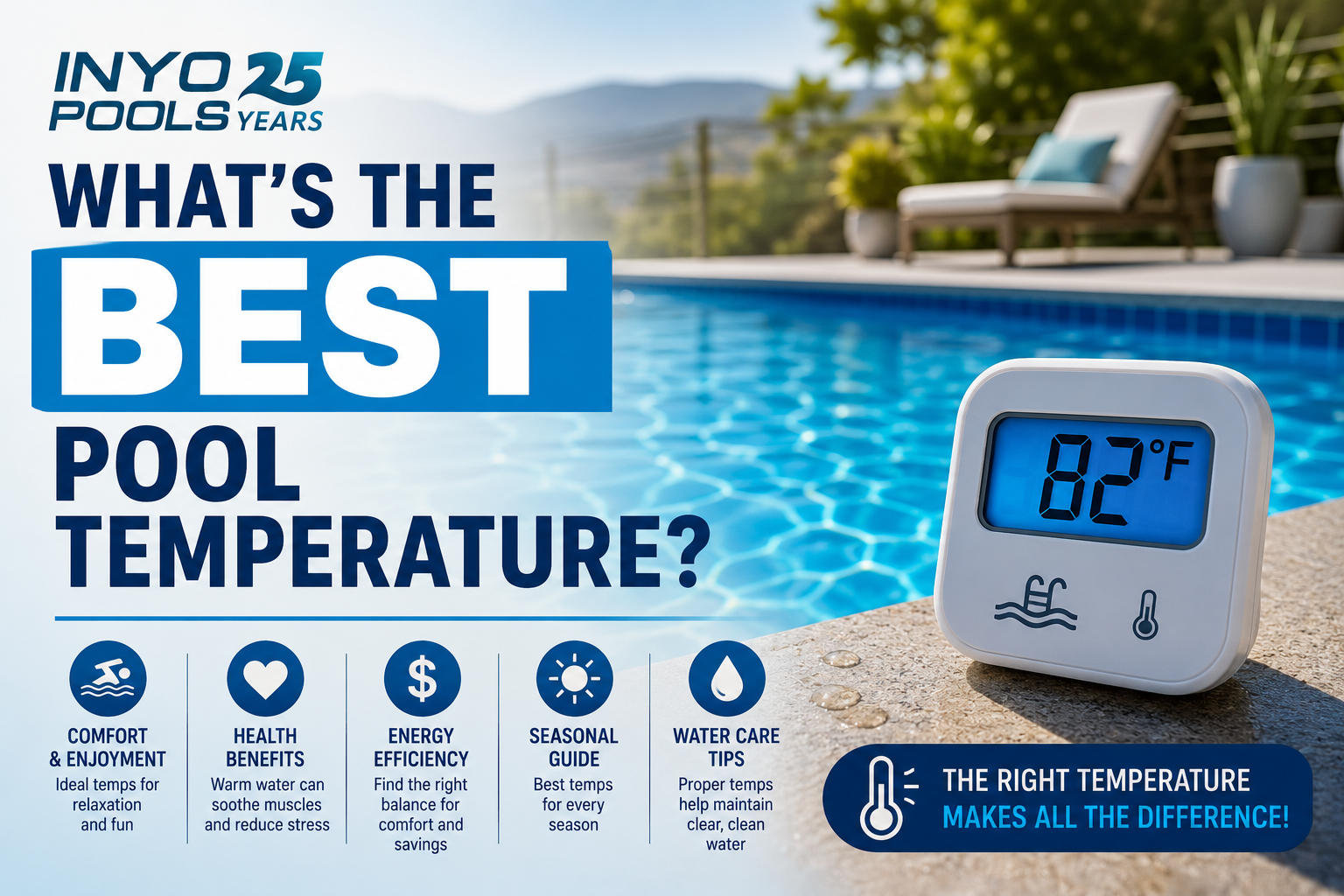
Pool temperature comfort is surprisingly personal: what feels perfect to one swimmer feels cold or bathwater-warm to another. But there are well-established ranges that work for most people and most situations:
General Comfort Ranges
78–82°F (25–28°C) The Sweet Spot for Most Swimmers – This is the range most people find comfortable for recreational swimming. It’s refreshing enough to feel like a pool, but warm enough that you’re not hesitant to get in. Most public pools and backyard pools aim for this range.
82–86°F (28–30°C) Warm and Comfortable – Feels noticeably warm great for casual lounging, water aerobics, young children, and older adults who feel the cold more acutely. Less refreshing on a hot day but very comfortable for low-activity use.
86–90°F (30–32°C) Spa-Adjacent – At this range, the pool feels genuinely warm. Fine for relaxation but not ideal for vigorous exercise; you’ll overheat faster. Young children and elderly swimmers often prefer this range.
90°F+ (32°C+) Hot Tub Territory – Not comfortable for swimming laps or active use. At these temperatures, extended swimming raises your core body temperature and becomes unsafe for vigorous exercise. Fine for soaking and therapy use.
Below 78°F (25°C) Cool to Cold – Competitive swimmers and serious lap swimmers often prefer 77–79°F because cooler water helps regulate body temperature during intense exercise. Below 75°F feels cold to most recreational swimmers. Below 70°F is genuinely cold and can cause cold shock in some people.
It Depends on Who’s Swimming
Young children (under 5): Prefer warmer water 84–86°F. Small bodies lose heat faster and kids get cold quickly even in water that adults find comfortable. Hypothermia risk is real for young children in cool water.
Older children and teens: Typically comfortable in the 80–84°F range. Active kids generate enough body heat that they tolerate cooler water better than adults expect.
Adults (recreational): 78–82°F suits most people for general swimming and play.
Elderly swimmers: Often prefer 84–88°F. Circulation changes with age mean cold water feels more uncomfortable and can cause joint stiffness.
Competitive/lap swimmers: 77–79°F is the standard competitive range. The American Red Cross and USA Swimming recommend 78°F for competitive events. Cooler water improves endurance performance.
Water aerobics participants: 83–86°F lower activity level means less body heat is generated, so warmer water is needed for comfort.
Therapy and rehabilitation: 86–90°F warm water eases muscle tension and joint pain, which is the whole point of aquatic therapy.
How Air Temperature Affects Perception
Water temperature and air temperature interact significantly in how comfortable a pool feels:
- On a hot day (90°F+), 78°F water feels refreshing and perfect
- On a mild day (75–80°F), that same 78°F water feels noticeably cool getting in
- On a cool day (65–70°F), 78°F water may actually feel warm relative to the air but you’ll get cold quickly when you get out
- Wind dramatically increases how cold you feel getting in and out even perfectly warm water feels cold when wind hits wet skin
This is why many pool owners heat their pools a few degrees warmer in spring and fall even though the water temperature itself hasn’t changed the ambient conditions change how it feels
Recommended Temperatures by Use
| Use | Recommended Range |
| Competitive swimming / lap swimming | 77–79°F |
| General recreational swimming | 78–82°F |
| Family pool with young kids | 82–86°F |
| Water aerobics / low-impact exercise | 83–86°F |
| Elderly swimmers | 84–88°F |
| Aquatic therapy / rehabilitation | 86–90°F |
| Hot tub / spa | 100–104°F |
Health and Safety Considerations
Too cold:
- Below 70°F carries real cold shock risk sudden immersion can cause involuntary gasping, hyperventilation, and in extreme cases cardiac stress
- Prolonged swimming in cool water leads to hypothermia, especially in children
- Muscle cramps are more likely in cold water
Too warm:
- Above 84°F, vigorous exercise becomes taxing because your body can’t shed heat efficiently into the water
- Above 95°F is generally considered unsafe for any extended swimming
- Warm water also supports faster bacterial and algae growth; you’ll need to maintain chemistry more carefully above 84°F
- Pregnant women are generally advised to avoid water above 89°F
The Goldilocks zone for health and comfort for most adults is 78–82°F cool enough to regulate body temperature during activity, warm enough to be comfortable getting in and staying in.
Keeping Your Pool at the Right Temperature
A few practical notes on maintaining target temperatures:
- Pool covers – are the single most effective tool they retain heat overnight and on cool days, reducing how hard your heater works
- Solar covers – add passive solar heating during the day while preventing nighttime heat loss a dual benefit
- Target temperature vs. actual temperature – size your heater for the coldest conditions you want to swim in, not average conditions
- Every degree costs money – each degree of temperature increase requires meaningful energy input to maintain. Know your target and stick to it rather than constantly adjusting.
- Shade matters – heavily shaded pools lose heat faster and are harder to warm. Direct sun exposure contributes meaningful passive solar heating even without a dedicated solar system.
The honest answer for most families is that 80–82°F hits the sweet spot: comfortable for adults, warm enough for kids, still refreshing on a hot day, and not so warm that chemistry becomes a constant battle. If you have young children or elderly swimmers, nudge it toward 84°F, and you’ll keep everyone happy.






Leave a Reply