

A quarter century in the pool industry is one thing, but 25 years behind InyoPools.com means helping hundreds of thousands of pool owners solve real problems. From troubleshooting equipment issues and answering chemistry questions to guiding DIY repairs and upgrades, that experience adds up. We’ve seen what works, what fails, and the common mistakes pool owners make time and time again.
Whether you’re brand new to pool care or a seasoned owner who’s battled algae more times than you can count, these are the 25 insights we’ve learned from decades of hands-on support shared year after year with pool owners just like you.
1. Other Pool Stores Sell Products. We Sell Solutions
Walk into most pool supply stores, and you’ll find shelves packed with chemicals, equipment, and accessories. What you often won’t find is someone who can actually help you understand why your water is cloudy, why your pump is making that noise, or why the same shock treatment that worked last summer isn’t cutting it this year.
From day one, our mission has been different. Our pool experts aren’t here to move products; we’re here to solve problems. That philosophy is baked into everything we do, from how we answer the phone to how we write our content.
2. YouTube Is Your Best Friend as a Pool DIY-er
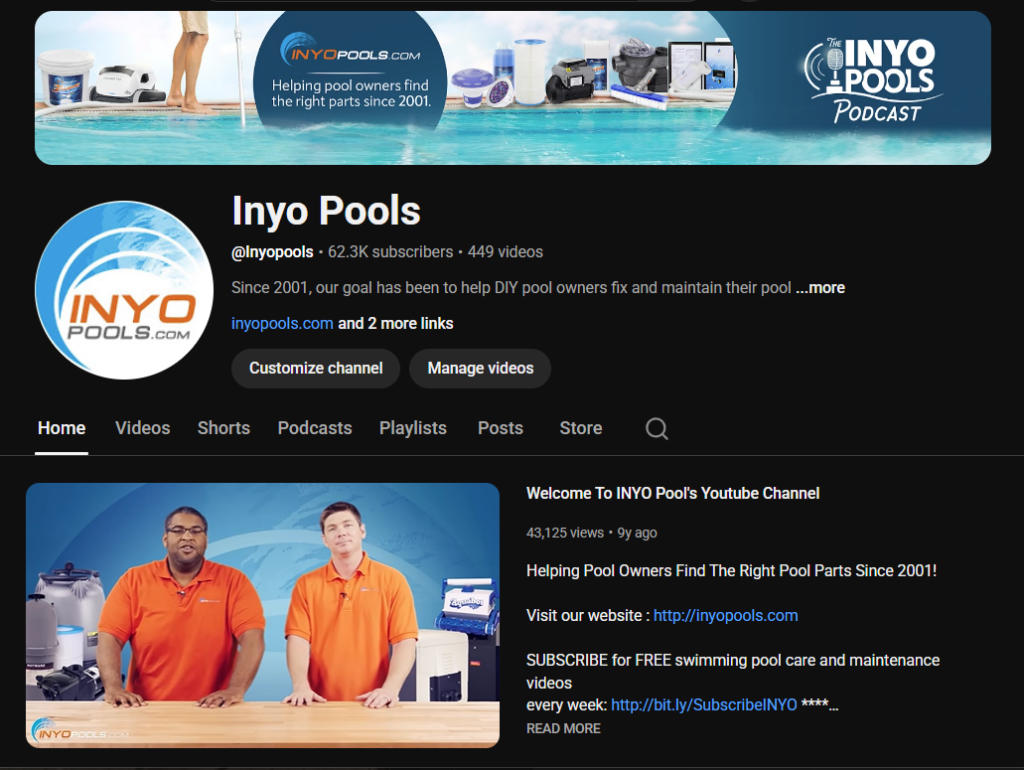
A decade ago, if you wanted to replace a pool pump impeller or backwash a sand filter, you either called a pool tech or crossed your fingers with a printed manual. Today? There’s a detailed, step-by-step video for nearly every repair and maintenance task imaginable, and we’ve made a lot of them ourselves.
If you’re a do-it-yourselfer, YouTube is genuinely the most powerful tool in your kit. Before you call a repair service or guess your way through a job, search for the specific repair you need. Watch two or three videos. Understand the full picture before you touch a wrench.
Subscribe to InyoPools YouTube Channel to get the latest in pool care tips and tricks
3. Pool Math Apps Are a Must for Beginners
Pool chemistry is not intuitive. The relationships between pH, alkalinity, calcium hardness, cyanuric acid, and chlorine are interconnected in ways that take years to internalize. For a beginner or even an intermediate pool owner, trying to calculate dosing amounts manually is a recipe for over-treatment, wasted money, and frustrated afternoons.
Pool math apps do the heavy lifting for you. You enter your test results and pool volume, and they tell you exactly how much of each chemical to add. Simple, fast, and far less error-prone than guesswork.
4. The Best Investment Is Educating Yourself About Your Pool
We’ve seen pool owners spend thousands of dollars on unnecessary service calls, incorrect chemical treatments, and premature equipment replacement, all because they didn’t understand how their pool worked. A basic understanding of your pool’s system (circulation, filtration, sanitation, and water balance) will save you real money over time.
You don’t need to become an expert. You just need to know enough to ask the right questions, spot early warning signs, and make informed decisions. Read the articles. Watch the videos. Ask us questions. The return on that investment is enormous.
5. Pumps and Motors Are the Heart of the Pool. When They’re Down, You’re Down.
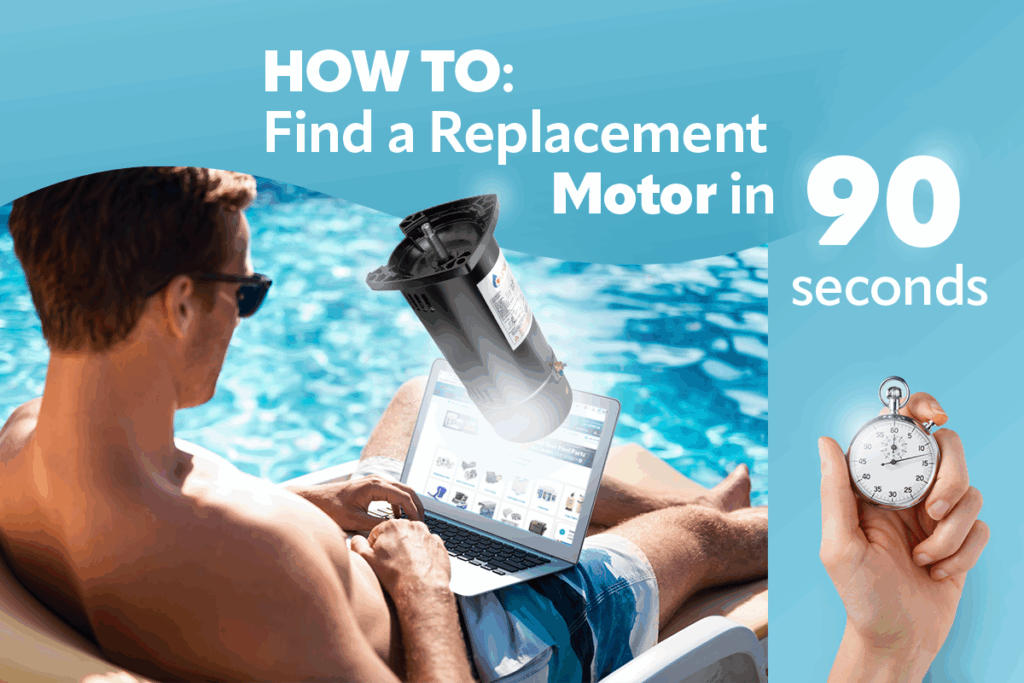
Everything in your pool depends on water moving. Your sanitizer doesn’t distribute, your filter doesn’t filter, and your water doesn’t get balanced if the pump isn’t running. A dead pump isn’t an inconvenience; it’s an emergency that can turn a clean, sparkling pool into a green swamp in a matter of days.
That’s why we stock the pumps and motors that fail most often and ship them fast. We know you can’t wait a week for a motor to arrive; your pool can’t either. We match competitor pricing and get parts to you quickly, because we understand what’s at stake. Fast shipping, real support, matched prices, that’s our promise.
6. Always Replace the Shaft Seal
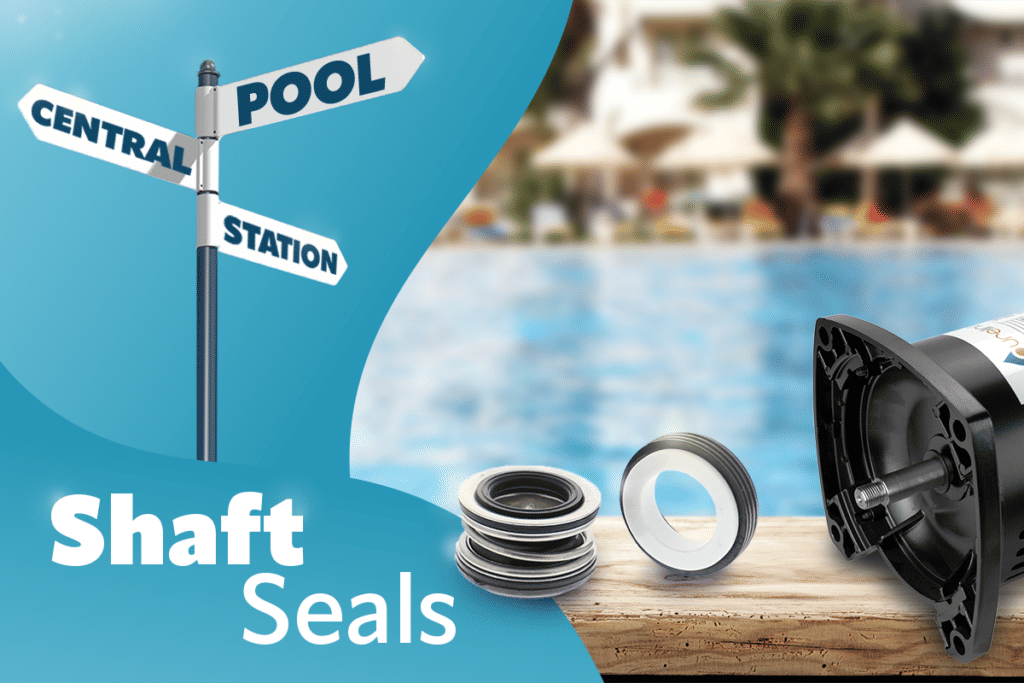
If you’re replacing a pool pump motor, here’s a rule that will save you from doing the job twice: always, always replace the shaft seal at the same time. Always.
The shaft seal is what prevents water from leaking into your motor from the wet end of the pump. It’s inexpensive. It’s easy to swap during a motor replacement. And yet, it’s the #1 cause of premature motor failure after a rebuild because people skip it to save a few dollars. Don’t be that person. Replace the shaft seal. Every single time.
7. Pool Chemistry Is Tricky, but You’ll Get the Hang of It
Every new pool owner goes through the same learning curve: you test the water, you add chemicals, something goes wrong, you add more chemicals, something else goes wrong. It can feel overwhelming. We’ve been there with thousands of customers.
Here’s the truth: pool chemistry is a skill, and like any skill, it gets easier with practice. After a season or two of consistent testing and maintenance, most pool owners hit their stride. You learn how your pool behaves, how your water reacts to rain or heavy use, and what your “normal” looks like. Give yourself grace during the learning curve and don’t hesitate to ask for help along the way.
8. Balance Alkalinity Before pH
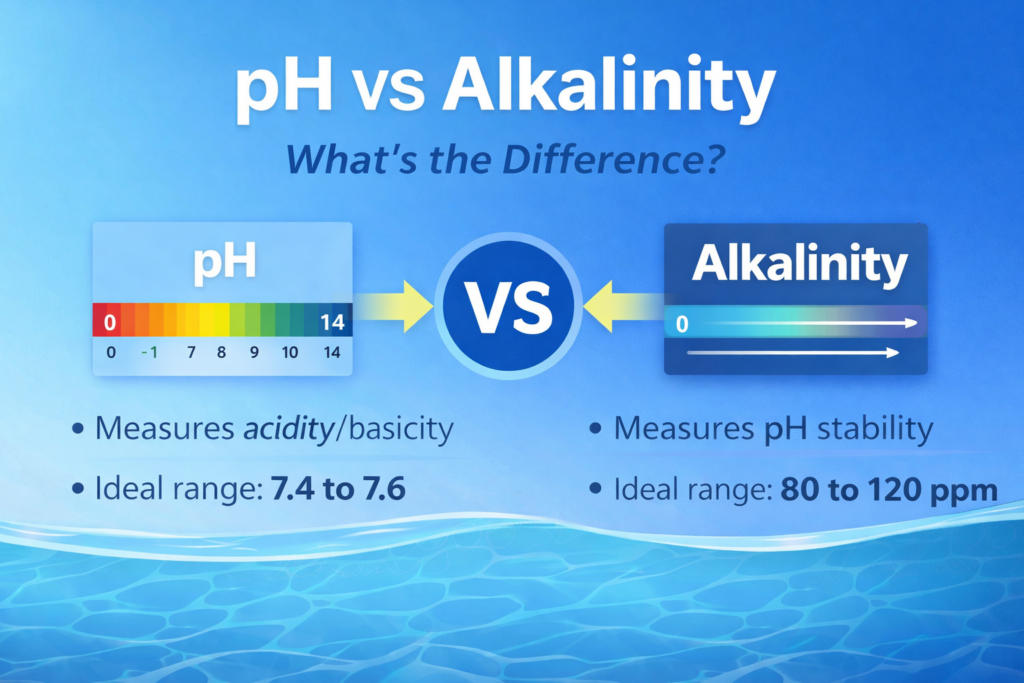
This one trips up a lot of pool owners. When your water is out of balance, the instinct is often to attack the pH first, but total alkalinity should come first, every time.
Why? Because alkalinity acts as a pH buffer. If your alkalinity is off, your pH will be unstable no matter what you do. You’ll add pH up, watch it drift back down, add more, and repeat a frustrating and expensive cycle. Get your alkalinity into range (typically 80–120 ppm) first, let the water circulate, then test and adjust pH. This order matters more than most people realize.
9. Cyanuric Acid Giveth and Taketh Away

Cyanuric acid (CYA), also called stabilizer or conditioner, is one of the most misunderstood chemicals in pool care. On one hand, it’s essential for outdoor pools: it protects chlorine from being destroyed by UV sunlight, dramatically extending its effectiveness. Without it, your chlorine can be depleted in a matter of hours on a sunny day.
On the other hand, too much CYA makes chlorine significantly less effective, even at normal levels. This is called “chlorine lock.” Your test strip shows plenty of chlorine, but the water is still turning green. High CYA is also difficult to lower without partially draining the pool. The lesson: use a stabilizer, but measure it and keep it in check (typically 30–50 ppm for most pools).
10. Algae Is Easier to Prevent than to Cure
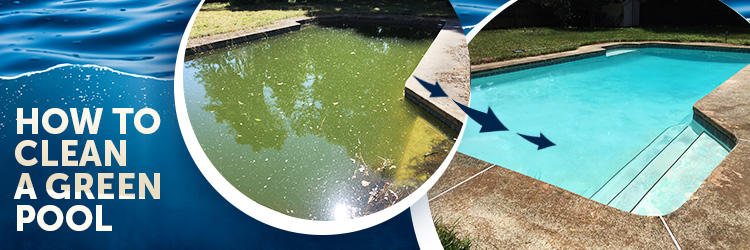
We’ve helped customers clear up algae blooms that turned their pools into something resembling pea soup. It’s a multi-step, multi-day process that usually involves shock, algaecide, aggressive brushing, and sometimes a DE or clarifier treatment. It’s frustrating, expensive, and completely avoidable in most cases.
Consistent sanitizer levels, regular brushing, and weekly testing are all it takes to keep algae from ever getting a foothold. Prevention costs you a few minutes a week. Treatment costs you time, money, and probably a weekend you’d rather have spent in the water.
11. Teflon Tape Is More Important Than You Think
You might not think of Teflon tape (PTFE thread seal tape) as a critical pool supply, but it earns its place in every pool owner’s toolkit. Any threaded fitting in your pool plumbing, pressure gauges, unions, or plugs is a potential leak point, and Teflon tape is what keeps those connections sealed.
The right technique matters too: wrap it in the direction of the thread, three times around, and keep it snug. It takes seconds and saves you from slow drips that become big problems. Keep a roll near your equipment pad. You’ll use it more than you expect.
12. Brushing the Walls Is a Must
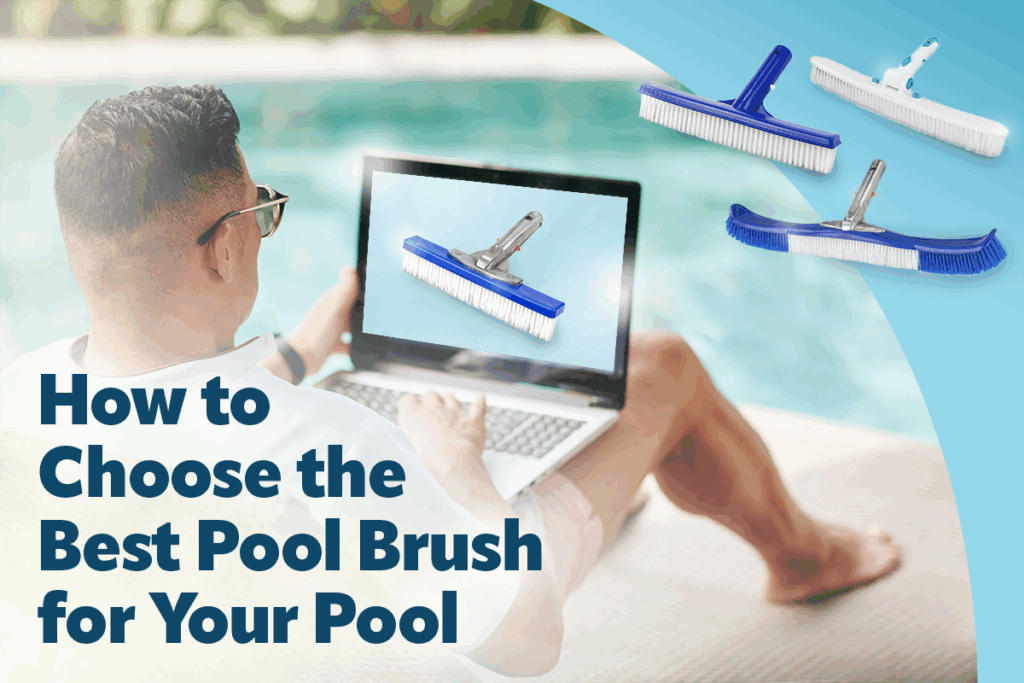
Your pool cleaner vacuums the floor. Your filter catches particles in the water. But the one thing that keeps algae from gaining a foothold on your walls, steps, and corners? You and a pool brush.
Algae starts as a nearly invisible layer on surfaces before it blooms into a visible problem. Regular brushing once a week is a good target to keep it from establishing on your pool’s surfaces and stir up debris so the filter can capture it. It takes five minutes, and it makes a genuine difference.
13. Cleaning Your Filter Is a Pain, but It’s a Must
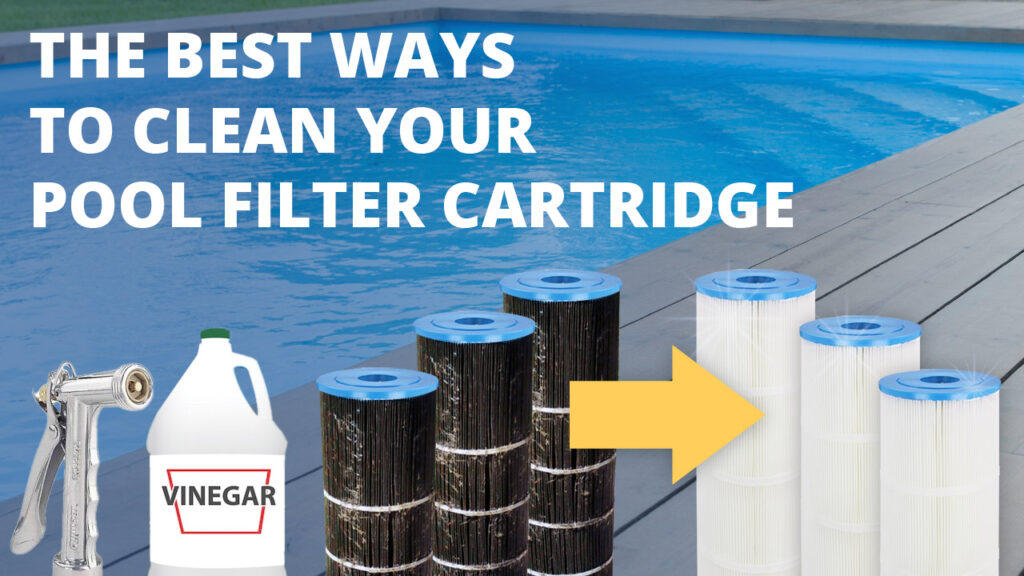
We get it. Cleaning a pool filter is not anyone’s favorite chore. Backwashing a sand filter is easy enough, but deep-cleaning a cartridge or DE filter takes real time and effort. It’s also completely non-negotiable.
A dirty filter doesn’t just filter poorly; it strains your pump, reduces flow throughout your system, and contributes to poor water quality. Most filters need a deep clean at least once per season, with more frequent maintenance during heavy-use periods. Set a reminder. Do it on schedule. Your entire system will thank you.
14. Chlorine Is Not the End-All, Be-All of Pool Chemistry
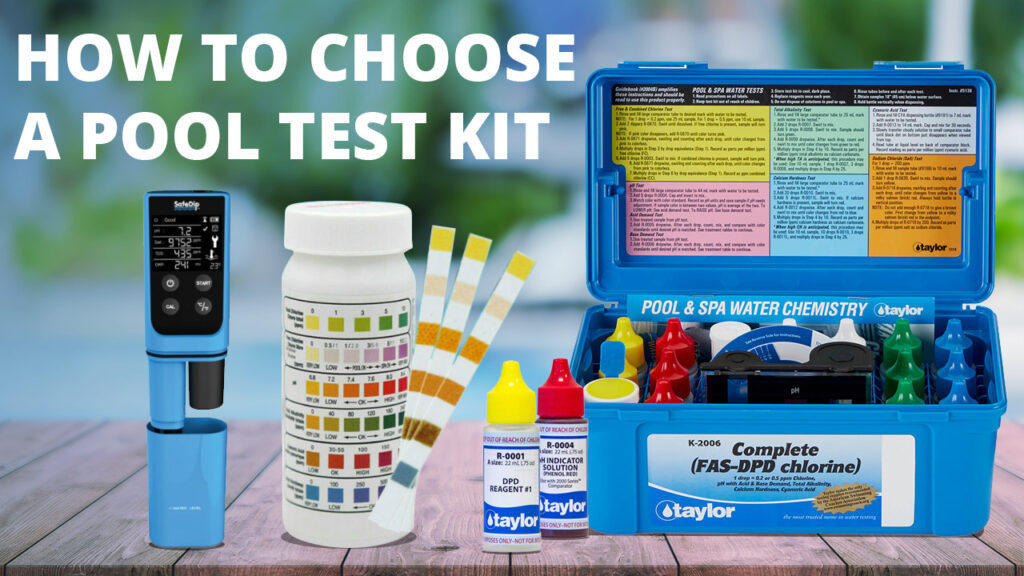
“Just shock it” is the most common piece of pool advice and also the most incomplete. Chlorine is your primary sanitizer, yes, but it works inside a specific chemical context. If your pH is too high, chlorine becomes far less effective. If your cyanuric acid is too high, the same problem. If your alkalinity is off, your pH won’t hold.
Water Balancers matter. Total alkalinity, pH, calcium hardness, and cyanuric acid aren’t just background numbers; they determine how well your chlorine actually works. A pool with perfectly balanced water needs less chlorine and stays cleaner with less effort. Focus on the full picture, not just the sanitizer.
15. Every Pool Is Different. Your Neighbor’s Setup Might Not Work for You
Pool owners love to share advice. “I add two pounds of shock every Friday.” “I never adjust my alkalinity.” “I use this exact product and my water is perfect.” And maybe it works for them, in their pool.
But pool chemistry is highly dependent on your specific pool volume, your local water source, sun exposure, bather load, the type of sanitizer you use, and more. What works for a 15,000-gallon shaded pool in the Pacific Northwest won’t necessarily work for a 30,000-gallon pool baking in a Florida summer. Learn your pool. Trust your test results over your neighbor’s anecdotes.
16. O-Rings Fail Quietly, then Quite Loudly
O-rings are the small rubber gaskets that create watertight seals throughout your pool’s plumbing at pump lids, filter heads, valves, and more. They’re easy to overlook because they do their job silently for years.
Until they don’t. A degraded O-ring can cause a slow air leak that reduces pump efficiency for months before you notice something’s wrong. Eventually, it becomes a full-on water or air leak that demands immediate attention. The fix is cheap and fast, but only if you catch it before the O-ring fails. Inspect them annually and replace them whenever you open or service those components.
17. Water Leaks Are Bad, but Air Leaks Are a Nuisance
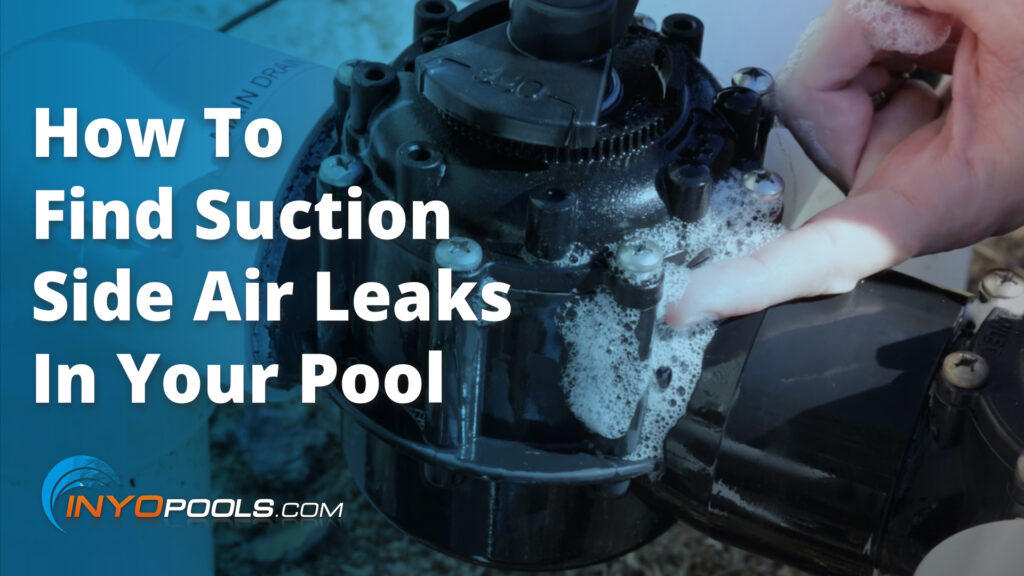
A water leak is obvious; you can see it, measure it, and trace it. An air leak is sneakier. Air getting into the suction side of your plumbing causes your pump to lose prime, run noisily, move less water, and work significantly harder. The pool can appear to be running fine while the pump is slowly being damaged.
Check for air leaks by looking for bubbles returning through your return jets. Common culprits include a cracked pump lid, a worn lid O-ring, loose fittings, or an improperly sealed drain plug. Air leaks often require more detective work than water leaks, but tracking them down is worth the effort.
18. Never Store Chlorine in Your Pump or Skimmer Baskets
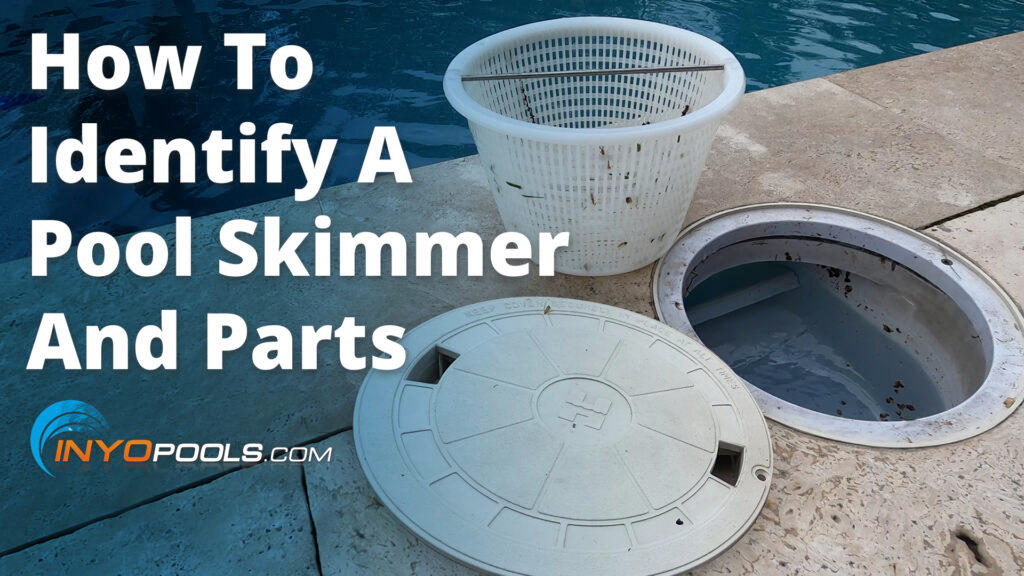
This one is a safety and equipment issue rolled into one. Some pool owners drop a chlorine tablet or two into the skimmer basket as a convenient, slow-release method. The problem: undiluted chlorine sitting in concentrated form right at your pump’s intake is corrosive to seals, gaskets, and the pump housing itself. It can also cause dangerous chemical reactions if combined with other chemicals already in the skimmer.
Always use a dedicated floating chlorinator or an inline feeder designed for this purpose. Keep your skimmer doing what it’s meant to do: catch debris.
19. Variable Speed Pumps Pay for Themselves If Used Right
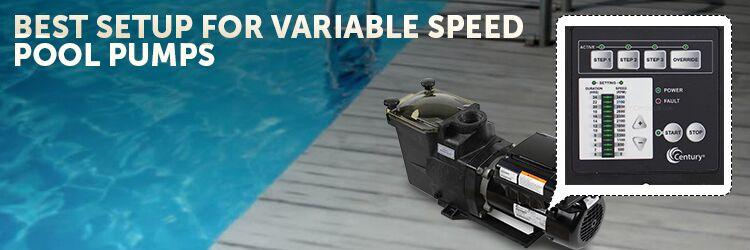
Variable speed pumps cost more upfront than single-speed models, but the energy savings are real and significant. Running at lower RPMs for longer periods moves the same volume of water for a fraction of the electricity cost. Most pool owners who switch to a variable speed pump see the investment pay back within two to three seasons.
The key phrase, though, is “if used right.” A variable speed pump running at max speed all day doesn’t save you anything. You need to program it properly, slower speeds for filtration cycles, higher speeds for vacuuming or running water features. Take the time to set it up correctly, and the savings follow.
20. Cartridge Filters Need Deep Cleaning, Not Just Rinsing
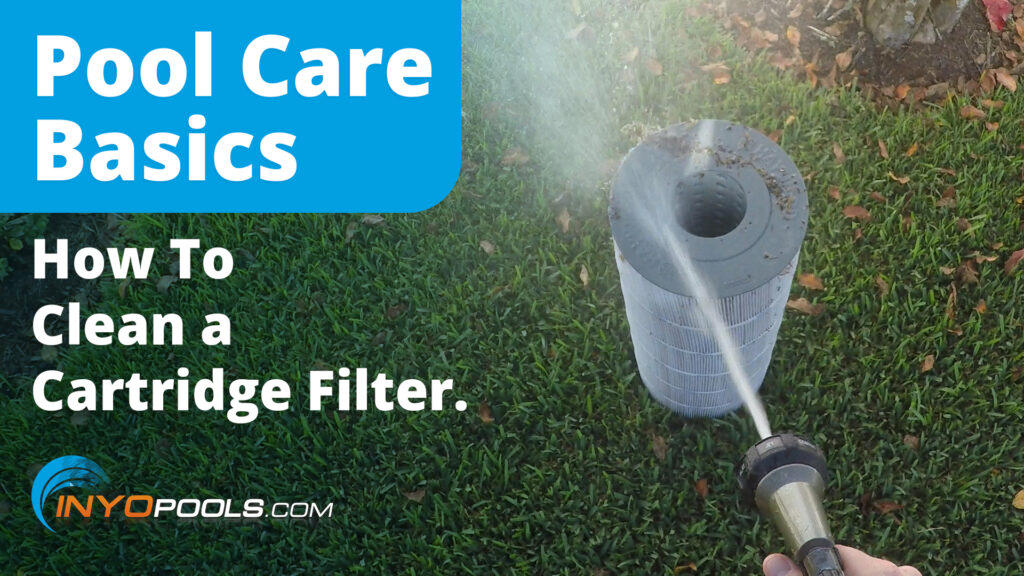
A quick rinse with the garden hose is better than nothing, but it doesn’t actually clean a cartridge filter. Oils, sunscreens, algae, and fine particles embed themselves in the pleats and don’t wash out with water pressure alone.
A thorough deep clean means soaking the cartridge in a filter cleaning solution overnight, then rinsing thoroughly. This breaks down the oils and deposits that a hose can’t touch, restoring real filtration capacity. Do this at least once per season. A clean cartridge filters better, extends the life of the element, and reduces strain on your pump.
21. New Gaskets Could Be All You Need
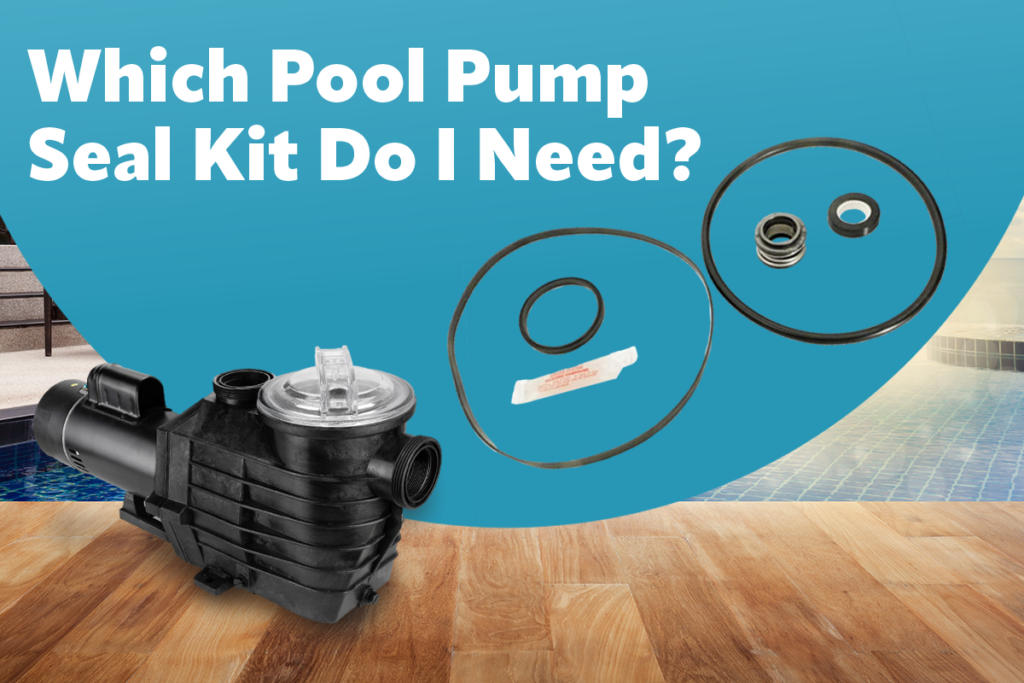
Before you replace a valve, a pump, or a filter housing, check the gasket. A flat, cracked, or hardened gasket is responsible for more “failed” pool equipment than most people realize. The equipment itself is fine; the seal between components has just given out.
Gaskets are inexpensive and widely available. If you’re seeing a leak at a union, a valve, or a filter clamp, inspect the gasket first. You might save yourself a significant and unnecessary equipment expense with a two-dollar fix.
22. Pool Stains Can Be a Sign of a Deeper Problem
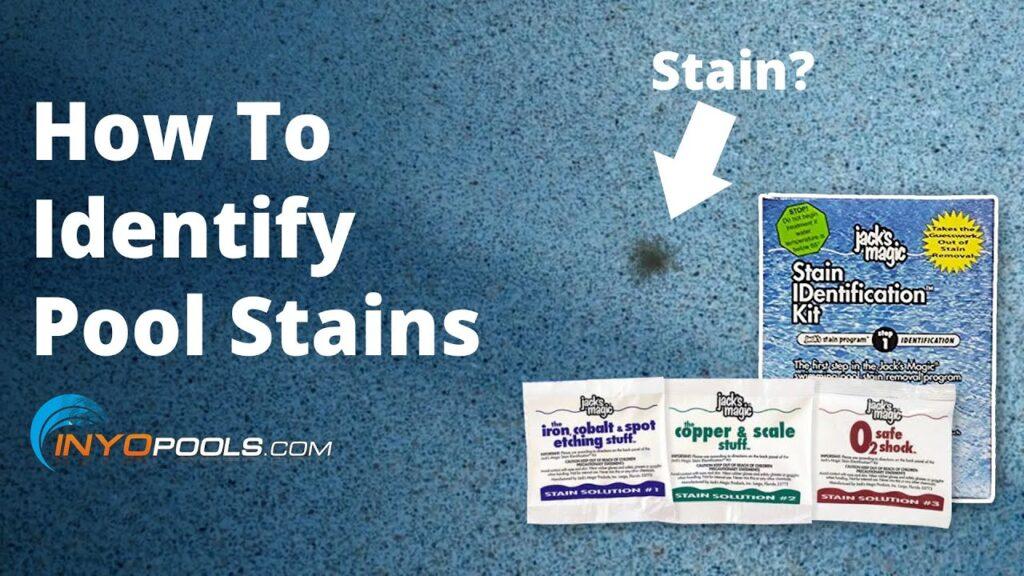
Surface stains in a pool aren’t just cosmetic. While some stains are caused by organic material (leaves, algae, tannins), others indicate mineral issues, such as iron, copper, or manganese in the water that can damage your equipment and wreak havoc on your chemistry over time.
Before you reach for a stain remover, try to identify the cause. Rub a vitamin C tablet on the stain: if it fades, it’s likely a metal stain. If brushing with shock removes it, it’s probably organic. Treating the symptom without addressing the underlying cause means the stains and the underlying problem will return.
23. Testing Weekly Is Enough But Only If You Actually Do It
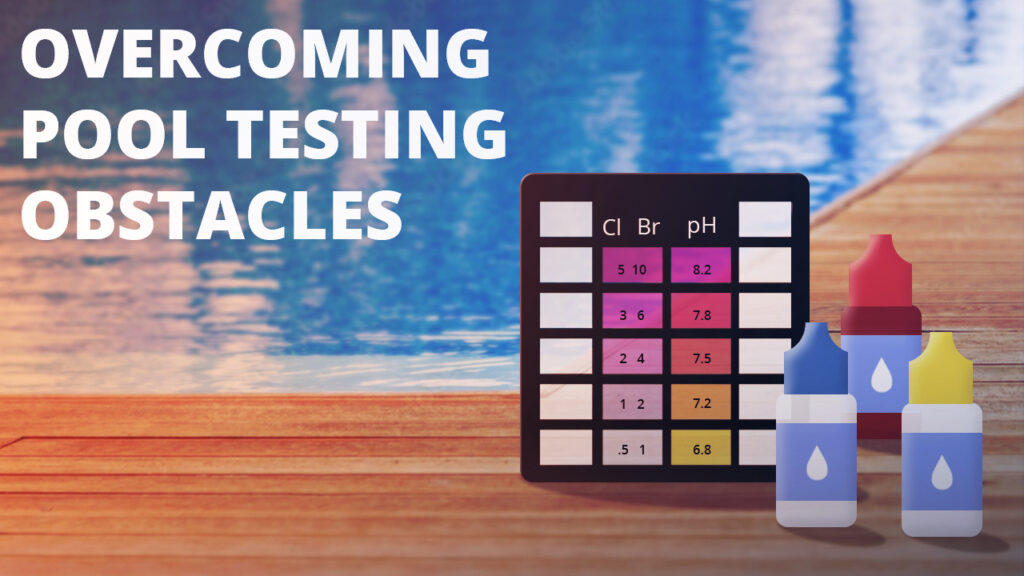
You don’t need to test your pool water every day. For most pools under normal conditions, a weekly test gives you more than enough information to stay ahead of any chemical drift. The key is consistency.
Missing a week during a heat wave or after a pool party can mean the difference between a quick adjustment and a full chemical recovery. Build the habit: pick a day, test the water, make small corrections. Weekly testing with prompt action beats daily testing and procrastination every time.
24. Know Your Pool Volume. It Plays a Role in Everything
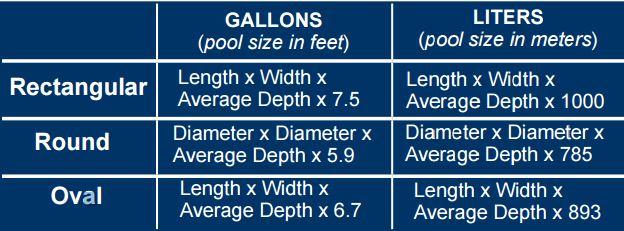
Pool chemistry dosing, equipment sizing, pump run times, chemical calculations, all of it starts with one number: your pool’s volume in gallons. Without it, every dosing recommendation is a guess.
If you don’t know your pool’s volume, calculate it based on your pool’s shape, length, width, and average depth. It’s worth doing once and writing it down somewhere permanent. Your pool volume is the foundation of every good pool decision you’ll ever make.
25. Test Strips Are Good, but Liquid Reagents Are Best
Test strips are convenient and better than not testing at all. We’re not here to knock them. But if you’re serious about keeping accurate water chemistry, liquid reagent test kits (like the Taylor K-2006) are more precise, more reliable, and less susceptible to degradation from heat and humidity.
Strip tests can be hard to read accurately, especially in bright sunlight, and they become less reliable as they age. Liquid reagent kits take a bit more time but give you readings you can actually trust. For routine monitoring, strips work fine, but when you need accurate numbers to solve a problem, reach for the liquid kit.
25 Years. 25 Lessons. Still Learning.
The pool industry keeps evolving with new equipment technologies, better chemical formulations, and smarter automation systems. But the fundamentals haven’t changed: consistent maintenance, good water chemistry habits, and a willingness to learn are what separate the pool owners who enjoy their pool from the ones who fight it all summer.
We’re grateful for every customer, every question, and every problem we’ve gotten to help solve over the last 25 years. Here’s to the next 25.







Leave a Reply