
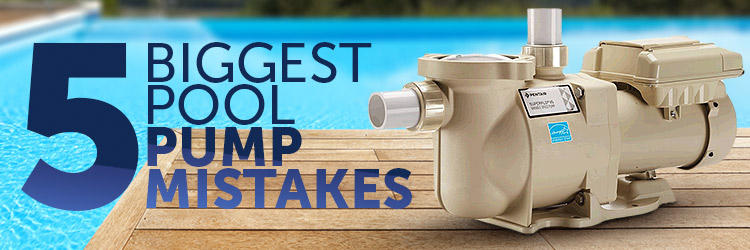
The pool pump is literally the heart of your pool’s circulation system. But just like our own hearts, we have a tendency to neglect the health and well-being of the pool pump and then freak out when it’s not working properly. There are probably dozens of pool pump mistakes out there. . . here are our top 5.
Not Cleaning Pump Basket
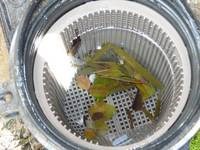 Let’s start with the very basics. The pump strainer basket exists to catch debris but it can’t clean itself. You need to reach in there and get the gunk out. If you don’t, the pool will have decreased water flow which means reduced filtration and ultimately, the dreaded algae bloom. The pump basket should be cleared out weekly and even more frequently during the fall and spring when there is more debris in the pool. Learn more here about how to clean your pump strainer basket.
Running Pump Too Little or Too Much
Some pool owners, desperate to save money on their electric bills, actually cost themselves more in the long run by not running the pump long enough. To maintain water quality and safety, all of the water in your pool should be turned over (meaning filtered) once a day. Depending on the gallons per minute your pump is moving, this usually takes 8 – 12 hours. If you don’t give all the water a chance to pass through the filter, you can end up with dirty, cloudy water, algae and the need to spend more on chemicals and maintenance than you would’ve given to your utility company to run the pump a little longer.
On the flip side, there is running the pump too long. Some believe in keeping it going 24/7 which might be necessary under certain conditions but for most pools is just wasteful overkill. It drains both energy and money while causing unnecessary strain on the pool pump motor. Your pump will burn out more quickly and require replacement of parts or the entire unit. Plus, you are driving your neighbors crazy! Give them a break from that humming motor and save some money in the process. For standard residential pools with moderate use, you only need to turn over all the water once in a 24 hour time period. If you are into the math behind pump run times and savings, read our How to Reduce Your Pool Pump Energy Bill guide.
Sizing Pump Incorrectly
There is a very persistent myth in the pool world that the higher the horsepower, the better. As a result, it is probably safe to say that the majority of pools have oversized pumps. We regularly hear from customers with a relatively small pool (~ 10,000 gallons) and a pump that is moving 2 – 3 times the gallons per minute required. This means unnecessarily high electric bills and a lot of wasted energy. Too large of a pump can cause poor filter performance and even damage it, if the filter is not also oversized accordingly. Another possible consequence is pump cavitation in which bubbles form in the water inside the pump and then burst with great force, resulting in damage to the impeller and other internal parts.
Conversely, some pool owners try to save a few bucks by buying a lower horsepower pump that is too small for their pool’s demands. This is especially true when a spa and other water features, such as deck jets or waterfalls, are tied into the pool pump. Throw an automatic suction cleaner into the mix and that undersized pump is overloaded.
The bottom line? Do the math to calculate how many gallons are in your pool (and spa if applicable) and how many gallons per minute are required to filter all of that water in 8 – 12 hours. Then consult the manufacturer’s pump performance charts to determine what pump actually meets your needs. Or skip all that, contact us and we’ll do the legwork for you!
Not Priming Pump / Running Dry
Most in-ground pool pumps are self-priming but do not mistakenly think this means your pump can initially prime itself. “Self-priming” refers to the pump being able to reprime, and this depends upon a proper initial prime and maintenance. Priming a pump means filling the intake with water. Then upon start, the pump will push any air out through the discharge. Read our step-by-step priming guide for all the details.
A loss of prime will cause the pump to run dry which you never want to do. Keeping an eye on the pool water level is a must – don’t let it drop below the skimmer opening. If the pump has no water to pull from the skimmer, it will draw air instead and lose prime which leads to running dry. At the least, this will ruin the motor shaft seal which is what prevents water from getting inside the motor. If it keeps running dry, the pump heats up and so does the water inside. Commence melting plastic. The motor might survive due to the high temp sensor kicking in but the wet end of the pump will be a casualty. If your pump has run dry and appears to have survived, replace the shaft seal!
Not Changing the Shaft Seal During Motor Replacement
 I literally grind my teeth over this one. Replacement pool pump motors are an extremely popular product for us – and with good reason. In the majority of cases, when a pump fails, the wet end is fine and only the motor needs to be replaced. Since a pump motor is roughly half the price of a new pump, it makes often sense to keep the existing wet end and just buy a new motor. Especially true for DIYers who don’t have to pay an installer.
But so many people buy just the motor and neglect the small yet extremely important shaft seal. This seal keeps water out of the motor (water inside motor + time = failed motor). Yes, your existing motor will already have a seal on the shaft and it might appear to be in good shape and ok to reuse. However, shaft seals warp over time. If you install the old seal on a new motor, there is a good chance it will not mate properly, leading to leakage which voids the warranty on the new motor.
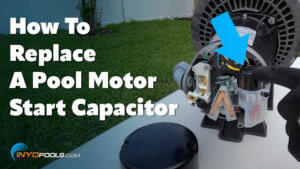
So don’t skip the new shaft seal! Depending on the pump model, you’re looking at about $15 – $30 to protect a new motor that is worth much more than that. Invest those few extra bucks – you will not regret it. While you’re at it, motor replacement is a great opportunity to upgrade other internal parts most likely to fail. Check for our complete tune up kits, available for many of the most common pool pumps. These include the shaft seal, along with o-rings, gaskets and lubricant. For help with replacing the seal, check out our how to guide and video.






Leave a Reply