
When temperatures climb into the high 90s and beyond, your pool doesn’t just sit there looking refreshing. Heat accelerates nearly every chemical and biological process happening in the water, which means the routine you relied on in spring can fall apart fast in July and August. Algae grows quicker, chlorine burns off faster, and evaporation can drain inches of water in a single week. A few adjustments to your normal maintenance routine will keep your pool clear, balanced, and swimmable all summer long.
Why Heat Changes Everything
Warm water is a breeding ground for algae and bacteria. At the same time, UV rays and high temperatures cause chlorine to break down much faster than it does in cooler months, sometimes losing potency within just a few hours of peak sun exposure. The combination of faster organic growth and weaker sanitizer creates a gap where problems can take hold before you even notice. Understanding this dynamic is the first step toward staying ahead of it instead of reacting after the water’s already turned cloudy or green.
Test Your Water More Often
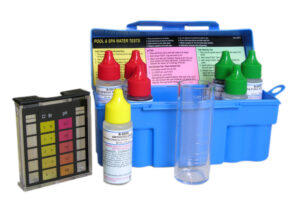
During a heat wave, testing once a week isn’t enough. Bump it up to two or three times a week, especially after heavy rain, a big swim party, or several consecutive days above 95°F. Focus on three numbers: free chlorine, pH, and alkalinity. Chlorine should generally stay between 1 and 3 ppm, pH between 7.2 and 7.8, and alkalinity between 80 and 120 ppm. When any of these drift out of range in hot weather, they tend to drift fast, so catching the shift early saves you from a much bigger correction later.
Shock the Pool Regularly
Shocking, or super-chlorinating, knocks out the organic contaminants and bacteria that build up faster in warm water. In extreme heat, plan to shock your pool every five to seven days rather than the typical biweekly schedule. Always shock in the evening after the sun goes down, since UV rays will burn off the extra chlorine before it has a chance to work if you do it midday.
Run the Pump Longer
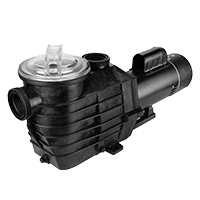
Heat speeds up algae growth, and the best defense is keeping water circulating and filtering more often. A good rule of thumb is one hour of pump runtime for every 10 degrees of temperature, meaning a pool sitting at 95°F might need close to 10 hours of filtration a day. If your pump runs on a timer, extend the cycle during the hottest stretch of summer, and consider running it during the cooler overnight or early morning hours to ease the load on your equipment and your energy bill.
Watch and Manage Water Level
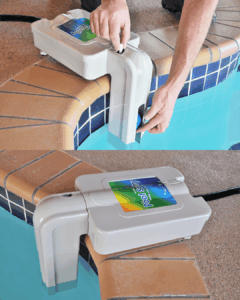
Evaporation kicks into high gear in extreme heat, especially when it’s paired with wind or low humidity. A pool can lose a quarter inch to half an inch of water a day during a serious heat wave. Check the water level frequently and top it off as needed, since a pump running with low water can suck air and burn itself out. If you notice unusually fast water loss, it’s worth ruling out a leak rather than assuming it’s all evaporation.
Keep an Eye on Calcium and Total Dissolved Solids
As water evaporates, the minerals and solids left behind become more concentrated. Over the course of a hot summer, this can push calcium hardness and total dissolved solids (TDS) higher than ideal, leading to cloudy water or scale buildup on tile and equipment. Test for these every few weeks during peak heat, and if levels climb too high, partially draining and refilling with fresh water can reset the balance.
Brush and Skim More Frequently
Warm water makes it easier for algae to attach to walls and corners, particularly in shaded or low-circulation areas. Brushing the pool two to three times a week disrupts algae before it gets a foothold, and skimming debris daily prevents organic material from breaking down and consuming your chlorine. This is one of the simplest habits that pays off the most during a heat wave.
Consider a Pool Cover for Off Hours
A pool cover, even a basic solar cover, slows evaporation significantly and can keep water a few degrees cooler by blocking direct sun when the pool isn’t in use. It also keeps leaves and debris from collecting overnight, which means less cleanup and one less thing to feed algae growth.
Don’t Overlook the Equipment
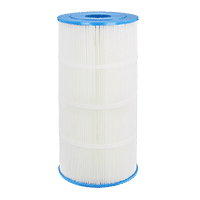
Extreme heat is hard on pumps, filters, and heaters, not just water chemistry. Check filter pressure more often, since clogged filters strain the system and reduce circulation efficiency right when you need it most. Give pumps and motors a visual check for overheating, and make sure equipment pads or housings have adequate airflow.
A Quick Hot-Weather Checklist
Test chemistry two to three times weekly, shock every five to seven days in the evening, extend pump runtime to roughly an hour per 10 degrees of heat, monitor and top off water level daily, watch calcium and TDS every few weeks, brush walls two to three times a week, skim daily, and use a cover during off hours.
Extreme heat doesn’t have to mean a summer of cloudy water and algae battles. With slightly more frequent testing, smarter pump scheduling, and a bit of extra brushing and skimming, your pool can stay crystal clear even when the thermometer refuses to cooperate.




Leave a Reply